Helping Employees Stay Healthy, Supported and Ready to Work Safely
In infrastructure construction, safety often centers on visible hazards: traffic, equipment, changing jobsite conditions, weather and the physical demands of the work. Those risks require constant attention, but worker health also includes the mental, emotional and personal challenges employees may carry with them each day.
For National Safety Month, the focus on holistic worker health is a reminder that employees may be managing job-related stress, family responsibilities, financial concerns or personal challenges while working in environments where focus and communication matter.
“Employees bring their whole selves to work,” said Debbie Riazzi, Director of Compliance, Labor and Employee Relations at AWP Safety. “When we support their mental, emotional and personal wellbeing, we are also supporting their ability to stay focused, engaged and safe on the job.”
Supporting total worker wellbeing helps employees feel healthier, more prepared and better equipped to meet their workplace commitments.
Key Takeaways
- Worker health includes physical, mental, emotional and personal wellbeing.
- In safety-sensitive environments, stress, fatigue and distraction can affect focus, communication and decision-making.
- Employee Assistance Programs can provide confidential support for employees and their families.
- Leaders and coworkers help strengthen safety culture by reducing stigma, sharing resources and responding with support.
Why Wellbeing Matters in Safety-Centered Work
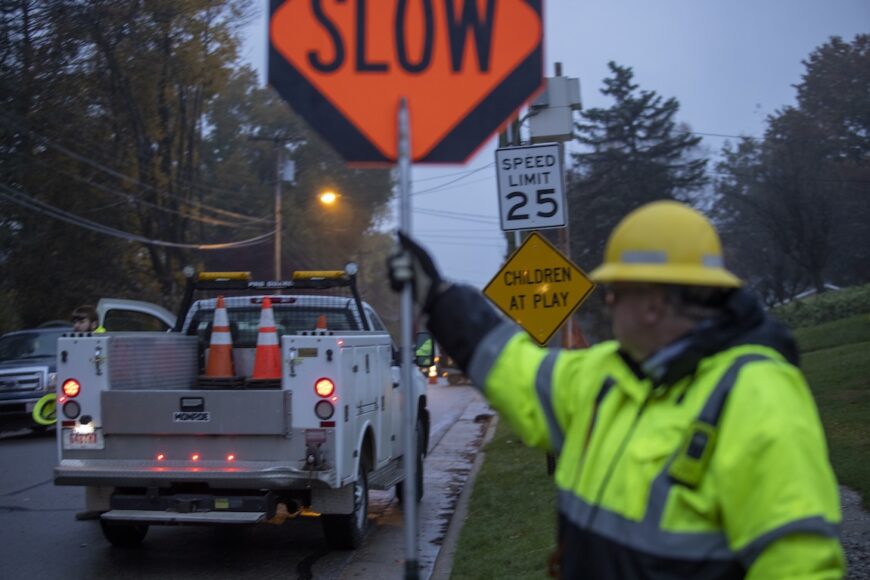
Teams in work zones must be constantly aware of their surroundings. Crews may be supporting traffic control around active roadways, adapting to changing work zones and coordinating with contractors, drivers and the public. In these settings, distraction, fatigue or emotional strain can affect productivity and safety.
“If someone is overwhelmed by stress, exhaustion or personal challenges, it can affect how they show up in the field. Helping employees access support early can make a meaningful difference,” Riazzi said.
That’s why holistic wellbeing should be part of a broader safety strategy. While physical safety procedures, training and hazard planning remain essential, mental and emotional support are crucial to helping employees stay focused, engaged and prepared to work safely in demanding environments.
When workers feel supported, they are more likely to speak up, seek help early and stay engaged with the people around them. A strong safety culture depends on that kind of trust.
The Role of Employee Assistance Programs
One of the most meaningful tools employers can offer is an Employee Assistance Program (EAP). These programs provide confidential support for employees and their families, often including counseling, financial guidance, family support and other resources that can help employees address challenges before they become overwhelming.
EAPs are valuable because personal concerns do not always stay outside the workplace. A family issue, financial strain or emotional challenge can affect how someone feels, thinks and performs during the day. Having access to confidential, practical support can help employees and their loved ones find a healthier path forward.
“For an EAP to be effective, employees need to know it exists, understand that it is confidential and feel comfortable using it,” Riazzi said. “That takes consistent communication, visible leadership support and a culture where asking for help is encouraged.”
Building a Culture of Support
Advancing holistic worker health starts with a workplace culture that helps employees feel respected, supported and confident seeking help when challenges arise.
Leaders can help by staying approachable, listening without judgment and watching for signs that someone may be struggling, such as changes in behavior, attendance, communication or performance. Coworkers also play an important role, as peers often notice changes before anyone else does.
The goal is to help employees feel connected to the right support at the right time. That means reminding someone about the EAP, encouraging a conversation with a manager or HR representative, or simply checking in with care and concern.
When organizations support mental, emotional and personal wellbeing, they strengthen the foundation of safety. Healthy, supported employees are better positioned to focus, communicate and contribute to a safer workplace for everyone.
Read more from Debbie Riazzi, AWP Safety’s director of compliance, labor, and employee relations on why mental health support is crucial in safety-sensitive industries.