Vehicle Theft Prevention Month: How Fleet Leaders Can Protect Work Trucks and Keep Crews Moving

For companies that depend on work fleets, vehicle theft is more than a property-loss event. It can disrupt schedules, delay service, affect customer commitments and slow the movement of crews, tools and materials across the operation.
That makes vehicle theft a supply chain issue as much as a fleet or security issue. A stolen truck may be covered by insurance, but recovery, claims processing, replacement logistics and equipment replenishment all take time. Theft claims also can be time- consuming to navigate and may contribute to already rising insurance costs. In many cases, standard commercial policies may not fully cover the specialized tools, equipment or materials stored inside the vehicle.
When a location loses a truck, it may also lose the tools and readiness that truck represents. The impact can ripple quickly — from crew assignments and project schedules to customer response times and overall business continuity.
National Vehicle Theft Prevention Month is a timely reminder for fleet, safety, supply chain and operations leaders to review how they protect mobile assets. According to the National Insurance Crime Bureau, more than 334,000 vehicles were reported stolen in
the U.S. in the first half of 2025. For organizations that rely on field operations, those numbers underscore the need for disciplined prevention, clear accountability and fast response.
Why Fleet Vehicles are Attractive Targets
A single work vehicle may contain thousands of dollars in tools, equipment, electronics, fuel cards, safety gear or project materials. For infrastructure, utility, construction and field-service organizations, the value inside the truck can sometimes rival the value of the truck itself.
Fleet vehicles move through company yards, jobsites, hotels, employee residences and temporary staging areas. Some are parked overnight in locations with limited security. Others may be left unattended while crews are focused on the job.
Theft risk can come from opportunistic theft, such as unlocked doors, visible valuables or unattended keys, or from organized theft targeting vehicles, parts, tools, equipment or cargo. Weak key control, inconsistent parking habits and delayed reporting create additional openings.
One of the biggest mistakes organizations can make is assuming that standard factory security features are enough. Keyless entry, door locks and alarms can help, but they are not a complete theft-prevention strategy. Fleet protection requires layered controls, routine driver training and active use of available fleet data.
Prevention Starts With Consistency
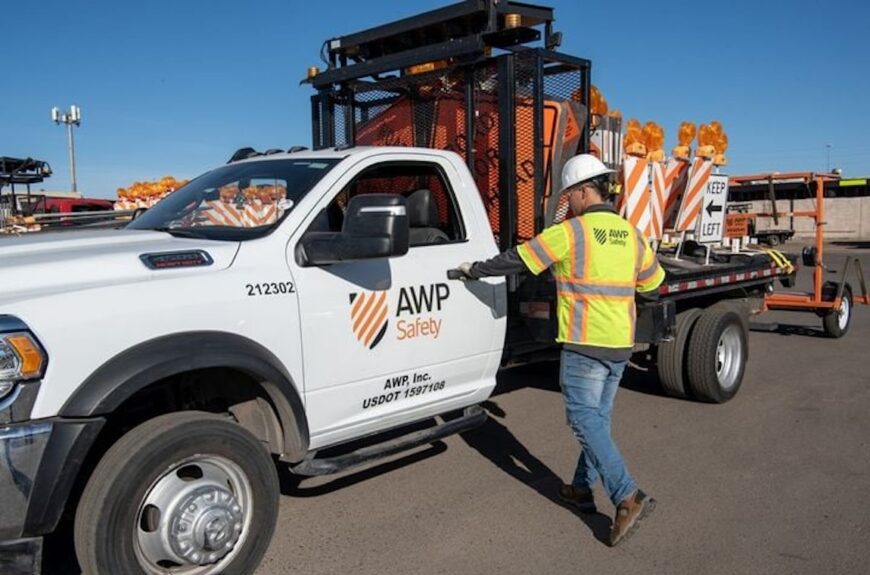
At AWP Safety, our trucks are one of the most critical components of our supply chain. They help move crews, tools and equipment to the right place at the right time. If a truck is stolen, it can instantly stall work, create costly downtime and put customer commitments at risk.
That is why prevention starts with operational discipline. Fleet leaders can establish policies for vehicle use, parking, key control, idling and company property. Drivers also need to understand their role in protecting the vehicle, the equipment inside it and the work it supports.
Effective practices include locking vehicles, removing keys, avoiding unattended idling, securing or removing tools and fuel cards, reporting lost keys or suspicious activity quickly, and following approved parking requirements. Driver training should also address practical decisions, such as avoiding vulnerable parking areas, managing keys properly and understanding when and how to report concerns.
These habits may seem basic, but consistency matters. A strong theft-prevention program depends on employees knowing what is expected and supervisors reinforcing those expectations.
Layering Controls to Reduce Risk
Fleet theft prevention is most effective when organizations combine policies, technology, physical security and employee accountability.
Technology is one part of a multi-layered shield that helps deter, detect and recover stolen assets. GPS tracking, geofencing and telematics can take fleet security from a reactive response to a more active, automated defense. These tools can provide real-time visibility into fleet locations, alert managers to unauthorized movement and help document activity if law enforcement becomes involved.
For example, platforms such as Samsara can help fleet teams monitor vehicle location, set geofencing alerts and identify movement outside approved times or areas. This type of visibility is valuable, but technology works best when paired with disciplined processes and employee accountability.
Immobilizers, alarms and remote disable capabilities can make theft more difficult and improve recovery opportunities. Well-lit, controlled-access parking areas with cameras, gates and established procedures can reduce theft opportunities. Key-control programs help maintain accountability for vehicle access, while tool and equipment tracking can improve inventory visibility and documentation.
The goal is not to rely on one control. The goal is to build layers of protection so that if one safeguard fails, others are still in place.
Responding Quickly When Theft Occurs
Even strong prevention programs cannot eliminate every risk. If a fleet vehicle is stolen, a fast and organized response can reduce disruption. First, confirm the vehicle is missing and has not been reassigned, towed, relocated or placed into maintenance. Once theft is confirmed, contact law enforcement with make, model, year, VIN, license plate number and GPS location data if available.
Teams should also notify insurance and fleet partners; disable fuel cards, access badges, mobile devices and other credentials; preserve key records and security footage; and adjust schedules to minimize customer disruption.
This is where speed is important. The faster teams identify and address the loss, the better positioned they are to support recovery and limit operational impact.
Protecting Readiness Starts Before a Theft Occurs
Vehicle theft prevention is ultimately about operational readiness. Fleet vehicles are more than transportation. For infrastructure companies, they represent the tools, equipment and readiness needed to support customers efficiently. Preventing theft requires disciplined planning: clear expectations, strong controls and fast response when something does not look right.