How Technology Is Making Work Zones Smarter and Safer
Across broadband, infrastructure, and data center construction projects, one challenge remains the same: keeping workers, drivers and communities safe while work moves forward.
New work zone safety technology helps teams meet that challenge. Smart Work Zones, Intelligent Transportation Systems (ITS) and artificial intelligence (AI) can provide better information about what is happening around a work zone and help teams respond as conditions change.

Smart Work Zones Provide a Real-Time View
Today’s infrastructure projects are larger, more complex and often spread across multiple locations and phases, which means conditions can change quickly: Traffic can back up unexpectedly, an incident can slow vehicles and construction activity can shift access points or require a different lane configuration.
One thing I’ve seen make a real difference is giving teams better visibility into those changing conditions. Smart Work Zones use connected hardware, software and cloud- based technology to provide a live view of traffic flow, speeds and congestion so teams can respond as needed.
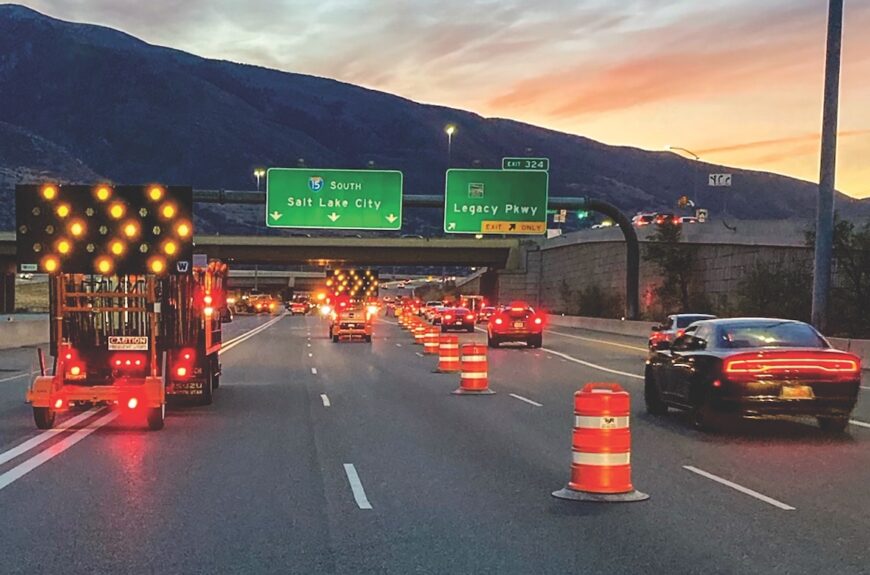
Smart cones and barrels are one example. Equipped with sensors, these devices can monitor speeds, traffic volume and congestion. If traffic begins building unexpectedly, connected systems can communicate with digital message boards to warn approaching drivers or adjust posted speeds.
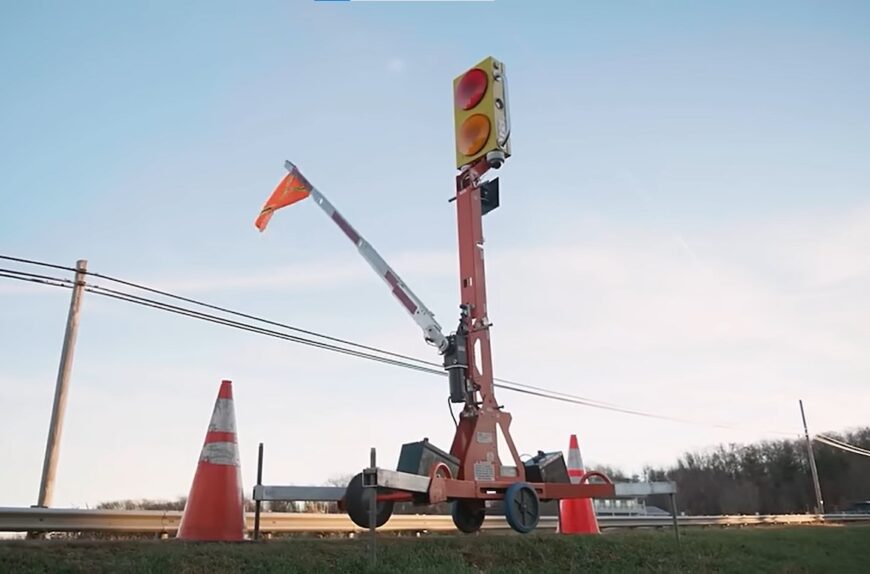
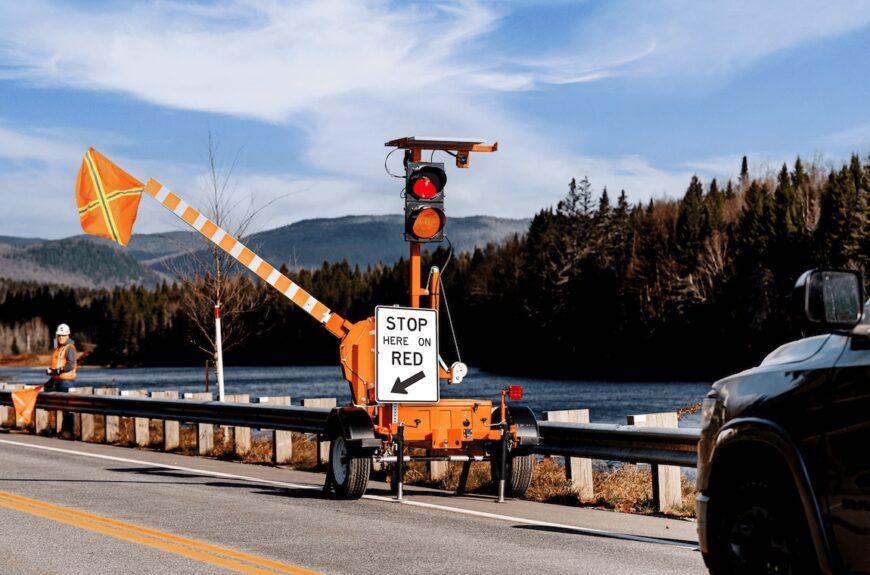
Automated Flagger Assistance Devices (AFADs) provide another important benefit. In a traditional setting, flaggers may need to stand in or near traffic to manage vehicle flow. AFADs allow that function to be controlled remotely from a safer location.
From an EHS perspective, I’m always looking at where we can reduce unnecessary exposure for customers and AWP Safety. If technology can move a team member farther away from live traffic while still allowing us to manage the work zone effectively, that’s a valuable tool.
Give Drivers Better Information
Safer work zones also depend on drivers knowing what to expect before they reach changing traffic conditions. ITS can provide real-time updates about lane closures, congestion and other events through digital message boards, navigation apps and connected vehicles.
Imagine a driver approaching a project where a lane is closed. A digital sign can provide advance warning to merge or take a detour. At the same time, a connected navigation app may recommend another route.
I like to reinforce that giving drivers more time to react is one of the most useful things we can do. Clear, timely information helps reduce surprises as motorists approach the work zone and can help traffic continue moving around the project.
Technology is also improving how agencies identify problems with roadway safety equipment. Guardrail detection systems, for example, can alert transportation departments when damage occurs so repairs can be addressed more quickly. Future systems may also be able to automatically notify first responders after certain roadway incidents.
Use AI to Spot Risk Earlier
Connected devices tell teams what is happening now and AI can help them understand what could happen next. These tools can analyze information from traffic patterns, sensors and vehicle data to identify trends that may be difficult to see otherwise.
For example, repeated hard braking or near-miss accidents in one part of a work zone may signal a problem. AI can identify that pattern so teams can make changes such as reducing speeds, improving signage or adjusting lane closures.
For me, that’s where the opportunity gets especially interesting. We’re moving from simply collecting information to using it to recognize risk earlier and make better decisions.
AI can also support work zone planning. Technology such as computer vision can help check whether cones, barrels and signs are placed according to the traffic control plan. This can help teams identify potential setup issues earlier and reduce the amount of
manual review required.
For customers overseeing projects across multiple sites or phases, that added visibility can also make it easier to understand what is happening across the program and address issues as they emerge.
Smarter Technology Supports Safer Infrastructure Growth
As infrastructure, broadband and data center construction continues to grow across North America, work zone safety technology will continue to evolve with it.
What I tell teams is that technology should help us make better safety decisions. The value comes from giving people useful information, reducing exposure where we can and helping us recognize changing conditions before they become bigger problems.
Smart Work Zones, ITS and AI-driven traffic management give teams new ways to monitor conditions, communicate with drivers and identify risk earlier. Used effectively, those tools can help protect crews, drivers and communities while keeping critical projects moving forward.