How Training and Technology Are Making Work Trucks Safer
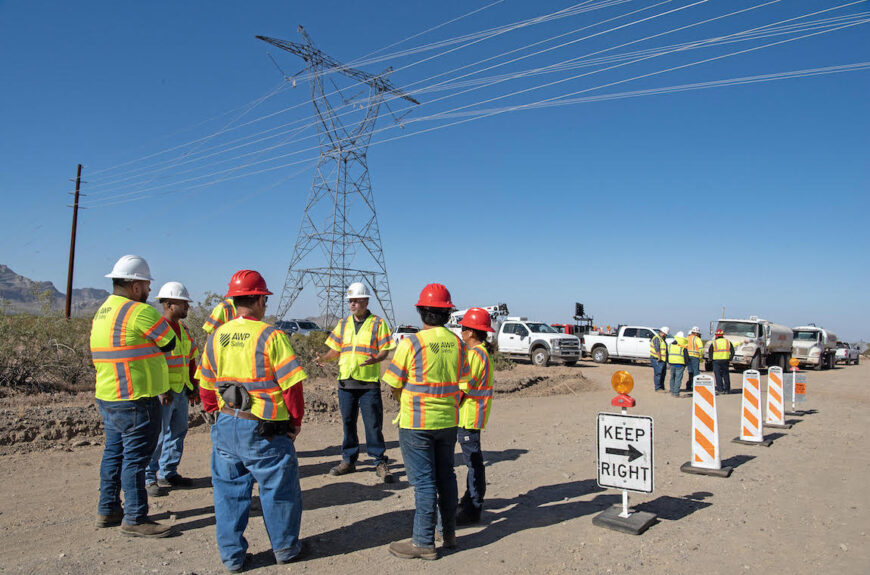
The need for strong work truck safety practices is growing as major infrastructure projects bring more vehicles into active work zones. Data center development, for example, requires construction contractors, electric utilities, broadband providers and other infrastructure partners to work alongside one another — often with multiple crews, fleets and heavy vehicles operating around the same site.

Key Takeaways
-
- Work truck safety starts with job-specific training that prepares drivers for real conditions in and around active work zones.
- Practical, hands-on training helps employees recognize hazards and respond when traffic, visibility or site conditions change.
- In-vehicle technology can support safer driving by improving visibility, identifying risky behaviors and helping drivers respond to hazards.
- Fleet data, incident reporting and vehicle inspections can help organizations spot trends, address recurring risks and improve safety over time.
- The strongest fleet safety programs combine training, technology and consistent EHS practices rather than relying on any one solution alone.
- Work truck safety starts with job-specific training that prepares drivers for real conditions in and around active work zones.
The Case for Essential Training and TEchnology
Large truck safety remains a serious concern. According to the Insurance Institute for Highway Safety and The Highway Loss Data Institute, 5,340 people died in large truck crashes in 2024. That was 58% higher than in 2009, when fatalities reached their lowest point since data collection began in 1975.
Those numbers reinforce the need for strong safety practices, including training that prepares drivers for the conditions they will encounter and technology that can help identify or reduce risk.
Safety Training Essentials for WOrk Truck Operators
Safe operation of work trucks requires training that goes beyond basic road rules. Drivers need to understand the specific challenges of larger vehicles, active work zones and the equipment they carry.
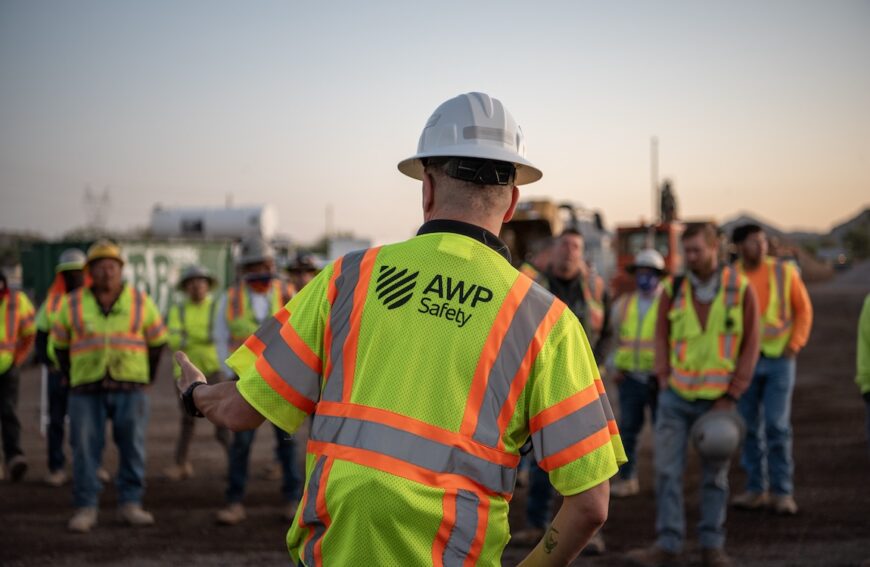
I started my career as a Protector, so I’ve seen firsthand how important training is in the field. You can teach someone the rules, but they also need opportunities to practice how they will respond when traffic changes, visibility is limited or something unexpected happens in the work zone.
That is why I believe training should be practical and tied closely to the work employees actually perform.
Key areas include:
- Defensive Driving – Helps drivers build situational awareness, anticipate hazards and respond safely.
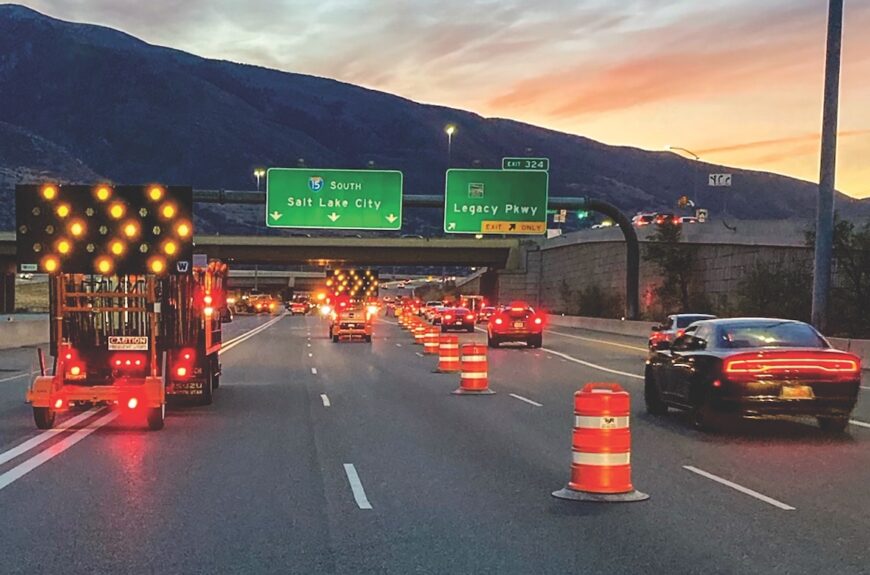
- Work Zone Navigation – Covers construction signage, directions from on-site personnel and maneuvering large vehicles in tight spaces with limited visibility.
- Load and Equipment Handling – Addresses safe loading, securing and unloading of equipment, along with weight distribution and vehicle stability.
- Extreme Weather Driving – Prepares drivers for conditions such as rain, snow, fog, flooding and other weather-related hazards.
- Emergency Response – Helps drivers prepare for unexpected situations, including basic first aid, vehicle issues and emergency communication.
These skills apply across infrastructure sectors. Electric utility crews may need to enter and exit roadside work zones or position vehicles near active traffic. Broadband crews may repeatedly stop, reposition and reenter traffic as work progresses along a route.
In my experience, the most effective training helps employees connect what they learn in the classroom with what they will actually see in the field. That makes training easier to remember and apply when conditions change.
Technology that Supports Safer Driving
Technology can give drivers and fleet managers another layer of support by identifying risky behaviors, improving visibility and providing useful performance data.
Common tools include:
- AI Smart Dash Cams – Monitor roadway hazards and driver behaviors such as distraction or drowsiness.
- Fatigue Detection – Uses in-cab technology to identify signs of driver fatigue.
- Anti-Distraction Apps – Restrict unauthorized mobile device use while vehicles are moving.
- Advanced Driver-Assistance Systems (ADAS) – Features such as adaptive cruise control, collision warnings and lane-keeping assistance can help drivers respond to hazards.
- Telematics and Fleet Management Systems – Track speed, acceleration, braking and other driving behaviors so fleet managers can identify trends and reinforce safe practices.
- 360-Degree Camera Systems – Improve visibility around large vehicles, especially in tight spaces.
- Blind Spot Detection – Alerts drivers to vehicles or objects in areas that may be difficult to see.
- Stability Control Systems – Help maintain vehicle stability during sudden or difficult driving conditions.
Using Fleet Technology to Improve Safety & Efficiency
AWP Safety uses fleet technology to support road safety and manage its specialized vehicle fleet. One example is Derive VQ fleet management technology, which can help reduce idle time, adjust automatic transmission settings and support fuel efficiency.
The technology also includes speed controls that help keep vehicles within AWP Safety’s established limits.
Improving EHS Practices for Work Truck Fleets
For work truck fleet owners, Environmental, Health and Safety (EHS) systems can help improve both safety and efficiency. Cloud-based tools give teams a way to monitor performance in real time, share updates quickly and apply safety and quality standards more consistently across the fleet.
Incident reporting software is another important part of that approach. By capturing and reviewing safety incidents and near misses alongside inspection and maintenance records, teams can identify patterns, spot recurring risks and take action before those issues lead to more serious events.
AWP Safety uses EHS software, including Intelex solutions, to help coordinate safety processes across its operations. For organizations with multiple locations and large fleets, tools like these can provide a more consistent view of safety performance and help teams manage information across the business.
Don’t Forget the DVIR
Work truck fleet operators should complete Driver Vehicle Inspection Reports (DVIRs) as required for commercial vehicles under applicable Federal Motor Carrier Safety Administration regulations.
Regular inspections can help identify maintenance or safety concerns before a vehicle goes on the road and support a more proactive approach to fleet safety.
A Collaborative Approach to Work TRuck SAfety
As the country builds more critical infrastructure, construction companies, electric utilities and broadband providers will increasingly work alongside one another.
Strong work-truck safety comes from combining practical, job-specific training with technology, fleet data and consistent safety practices. When organizations use those tools together, they can identify risks earlier, reinforce safer behaviors and continuously improve fleet performance.
Looking for a safety traffic control provider? Contact us today for a free estimate from our safety experts!