Building Safer Work Zones Through Planning, Technology and Empowered Teams
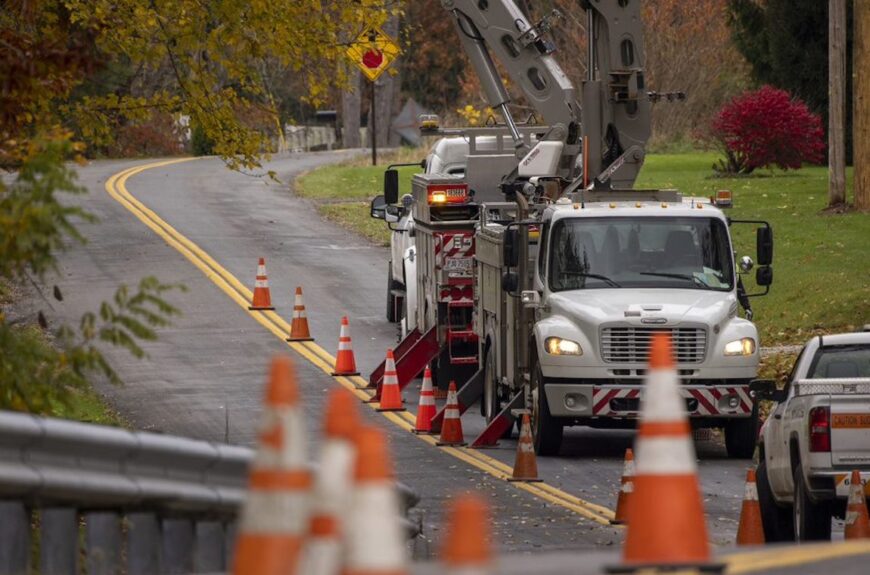
Work zones are becoming more complex as communities expand broadband networks, modernize the electric grid and build the infrastructure needed to support major developments such as data center campuses. At the same time, crews often have to perform that work alongside active traffic and in areas where conditions can change quickly.
Keeping those environments safer takes a layered approach. Detailed planning, the right equipment and technology, strong training, real-time information and employees who are empowered to act all play a role in building safer work zones.

Key Takeaways
- Good work zone safety starts before crews arrive, with a plan built around the real conditions and risks of each project.
- Technology can give teams better information and help keep workers farther away from moving traffic.
- Ongoing training and performance data help teams learn from what is happening in the field and adjust when needed.
- Employees must have the authority and confidence to stop work when they see a hazard and make sure it is addressed before work resumes.
Start With the Right Plan
What I’ve seen work is getting the right people involved before crews ever arrive on site. Every project has its own traffic patterns, physical layout and potential hazards, so the traffic control plan needs to reflect what is actually happening in that environment.
A well-designed traffic control plan accounts for details such as lane closures, barriers, detours and escape routes. Thinking through those elements early gives crews a much better understanding of what they may encounter once work begins.
Early coordination with law enforcement can add another layer of protection, particularly in high-traffic or higher-speed areas. Local agencies understand issues such as peak traffic periods, complex intersections and regional requirements. They can also help discourage speeding and other unsafe driving behaviors around the work zone.
The more we can anticipate up front, the better prepared the team is when conditions change in the field.
Use Technology Where it Can REduce Exposure
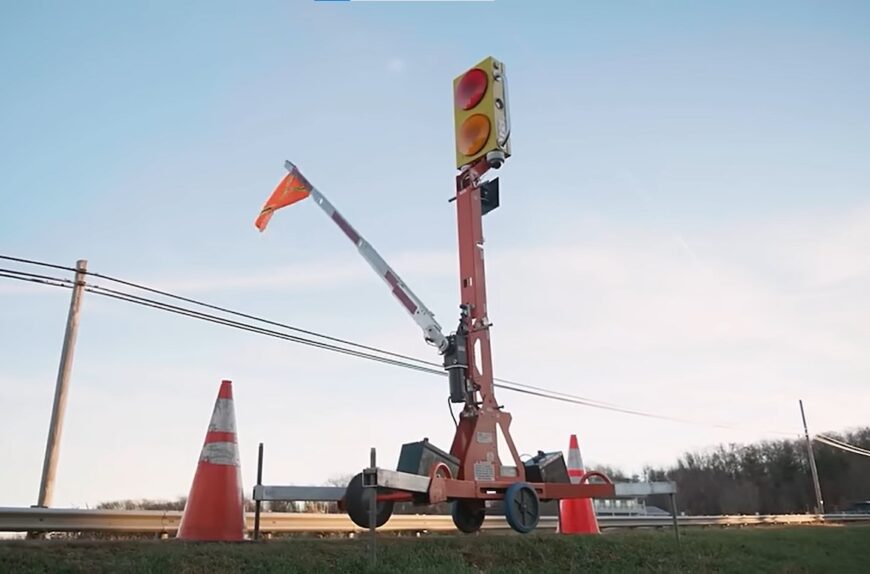
I also encourage teams to look at where technology can keep people farther away from moving traffic.
AWP Safety uses smart work zone technologies including:
- Automated Flagger Assistance Devices (AFADs)
- Icon Traffic Monitoring
- Wanco Robust Intelligent Transportation Systems
- QLynx Quick ITS Systems
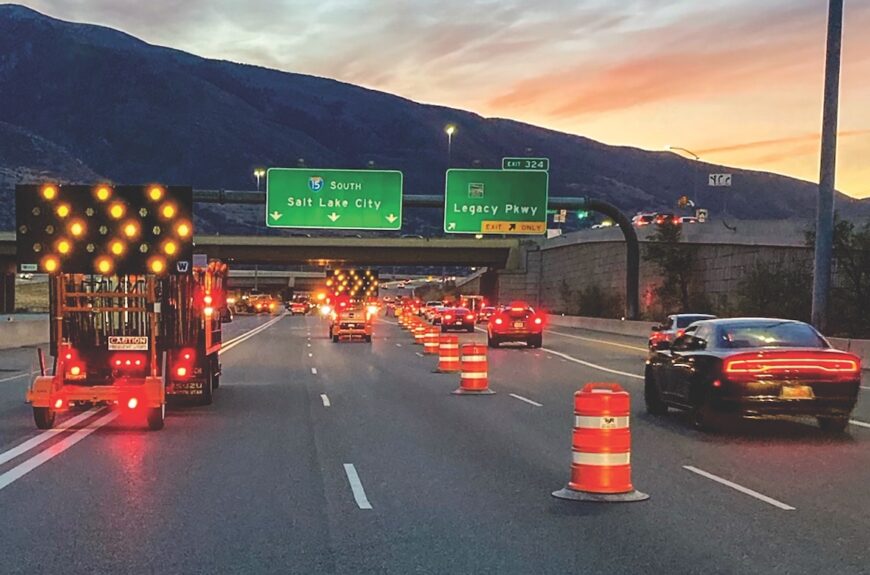
These tools can provide better information about traffic conditions, support mobility and reduce workers’ direct exposure to vehicles.
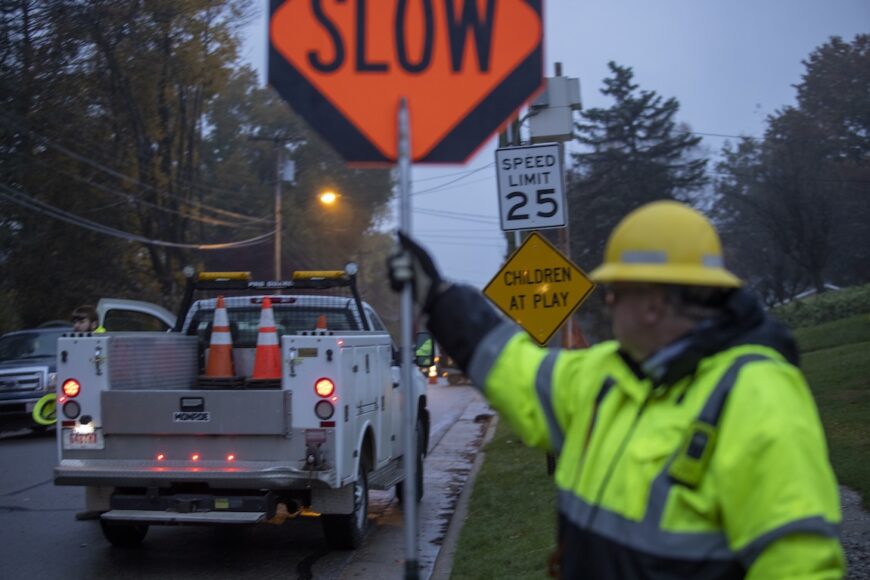
AFADs are a good example. In the right application, they allow a flagger to control traffic from a safer position rather than standing directly in the path of approaching vehicles. That can be especially valuable on roads with higher speeds or heavier traffic.
The question I like teams to ask is simple: Can we use technology here to reduce someone’s exposure to risk, while still managing traffic effectively?
Train, Track & Learn
Technology only helps if people know how to use it and understand what to do when conditions change. That’s why I reinforce with my team that training can’t be a one-time event. We have to keep learning from what we see in the field.
At AWP Safety, our Environmental Health and Safety (EHS) Management System supports ongoing training and gives us tools to understand what is happening across our operations.
We also use several technology platforms to help identify trends and make informed decisions:
- Driver Qualifications: Fleet Response provides real-time reporting and Motor Vehicle Record data that help us monitor driver qualifications.
- EHS Performance: Intelex helps us identify trends, investigate the root causes of incidents and determine where processes or training may need to change.
- Vehicle Telematics: Samsara gives us information about driving behaviors, worksite video, fuel efficiency and proactive vehicle maintenance.
The most important part is what happens after we collect the information. If the data shows us a pattern, we need to understand why it is happening and decide what we can do differently.
We’ve seen measurable progress from combining technology with hands-on training. In a one year period, harsh driving events declined 37% and crash rates fell 50%, helping reduce our accident-related expenses by approximately $850,000.
Give Employees the Authority to Act
Even the best planning can’t account for every situation crews may encounter in an active work zone. A vehicle can enter unexpectedly, equipment can malfunction or conditions can change in seconds.
That’s where Stop Work Authority becomes especially important. Every team member has the authority to halt work when they see a condition that could put someone at risk.
At AWP, we tell our teams that if something doesn’t look right, they have a responsibility to speak up. Once work stops, they can assess what happened, determine what needs to change and make sure everyone understands the adjustment before operations resume.
That kind of response needs to become second nature. No schedule or deadline is more important than addressing an immediate hazard.
Bring the Layers Together
What I’ve learned is that there isn’t one tool or practice that creates a safer work zone. It takes planning before work begins, trained people in the field, technology that can reduce exposure, information that helps teams make better decisions and employees who are willing to act when conditions change.
For customers managing large broadband, utility, transportation or data center projects, an experienced traffic management partner can help bring those pieces together throughout the project.
When those layers work together, teams are better prepared to manage risk, respond to changing conditions and help protect everyone who enters or travels through the work zone.
To learn more about how AWP Safety can help provide a safer work zone for your next project, request an estimate or contact your local sales representative.