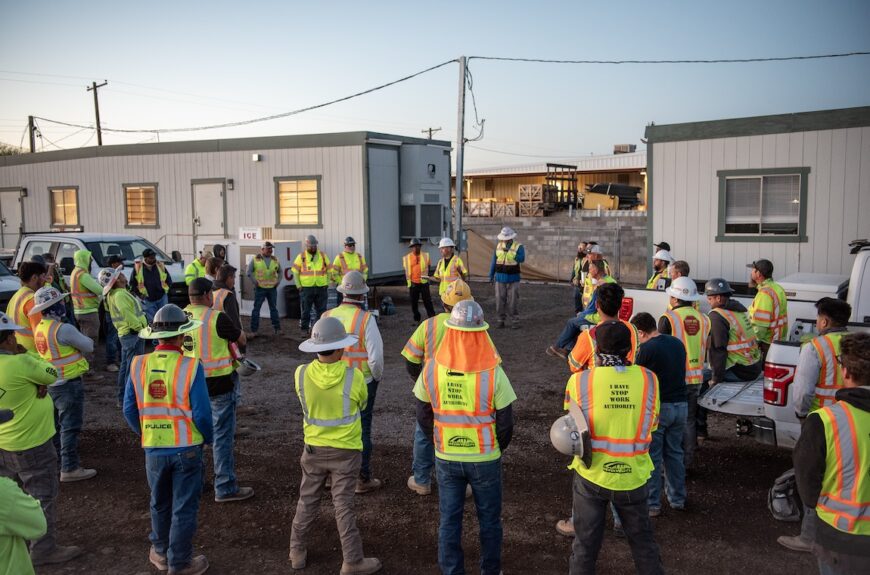
Work Zone Safety Starts Before Setup
A safe work zone needs more than signs and cones. To ensure work zone safety, crews need a clear plan before work begins, the right equipment for the site and people who are prepared to respond when conditions change. That applies whether the team is supporting road construction, broadband installation, utility work or a data center project.

Key Takeaways
-
- Start each job with a crew briefing so everyone understands the work, hazards, traffic plan and emergency procedures.
- Match PPE and traffic control equipment to the actual conditions and requirements of each site.
- Keep monitoring the work zone after setup and make sure crews have the
training and confidence to respond when conditions change.
Start with a Crew Brief
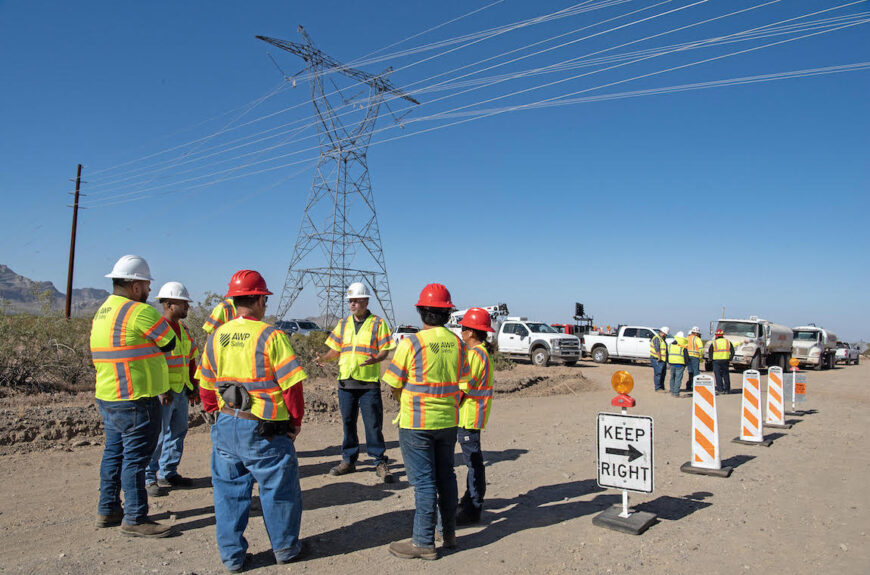
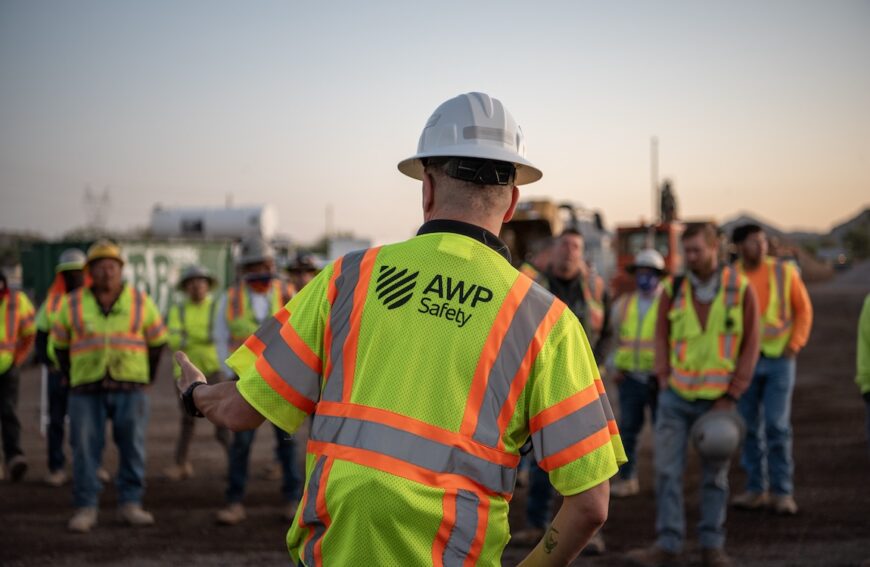
Before anyone begins setting up the work zone, bring the crew together and talk through the job. Review what work is being done, how it will proceed and where people and vehicles will move.
Identify potential hazards, explain the traffic controls and other protections in place, and make sure everyone understands emergency signals and procedures.
I always reinforce that this conversation doesn’t have to be complicated to be useful. Even a brief discussion gives everyone a chance to understand the plan, ask questions and raise concerns before work begins. That shared understanding is one of the simplest ways to start the job on stronger footing.
Use the right Work Zone protection for the job
Personal protective equipment, or PPE, should match the work being performed and the requirements of the site. Depending on the job, that may include high-visibility apparel, a hard hat, safety glasses, gloves, safety-toe boots and other protective equipment.
I encourage teams to review the work plan and requirements before setup rather than assume every site will call for the same gear. The conditions and risks can vary considerably from one project to another.
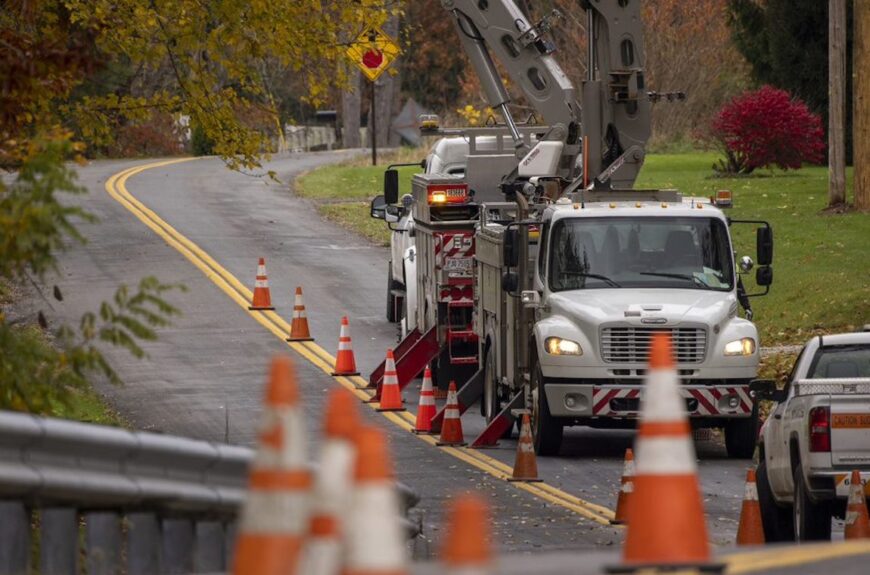
The same is true for traffic control equipment. A lane closure on a busy roadway, a short utility repair and a broadband installation may require very different setups. Each work zone should follow its approved traffic control plan and applicable state and local
requirements.
An experienced traffic management partner can also help determine what equipment is needed and how it should be positioned for the specific site.
Stay Alert After Setup
Conditions can change quickly while work is underway, which is why everyone in a work zone should know how to communicate a concern and what to do when the work zone needs to change.
Traffic flaggers and protectors play an especially important role in keeping worksites safe after setup. More than just directing vehicles, flaggers also monitor traffic and warn coworkers when a new risk develops.
Make Training Part of the Plan
Training gives crews the skills to put all of these practices into action. Depending on the role and project, that may include classroom instruction, realistic field scenarios, certified flagger training, CPR and first aid, and state-specific Department of Transportation training where required.
At AWP Safety, protectors who operate a vehicle in a work zone also complete Smith Driving System training.
What I’ve seen work is training that reflects what people will actually encounter on the job. Teams need to understand the rules and procedures, while also knowing how to recognize a changing condition and respond appropriately.
The goal is to give people the confidence and skills to prepare for the work, communicate clearly and make good decisions when conditions change.
Preparation Sets The tone
A safer work zone starts with a plan the entire crew understands and continues with the right protection, active observation and clear communication throughout the job.
I really believe good preparation sets the tone for everything that follows. When crews understand the work, know the hazards and are prepared to adjust, they are better equipped to protect one another, their customers and everyone traveling through the work zone.
AWP Safety is committed to safety in everything we do. Learn more about AWP’s Commitment to Safety.