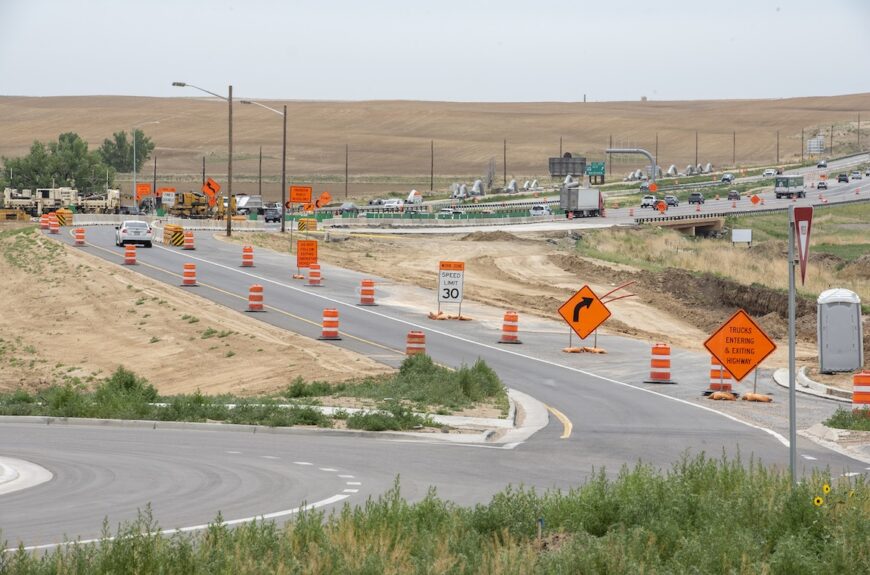
Three Parts of a Safer Highway Work Zone
Highway construction remains active across the U.S., supported by billions of dollars in federal, state and local infrastructure investment. As road and bridge projects continue, more crews are working in and around live traffic—making effective work zone safety especially important.
That work comes with serious risk. In 2024, 850 people died in U.S. work zone crashes. Speeding was a factor in 34% of fatal work zone crashes, underscoring how quickly conditions can become dangerous for workers and motorists.

Key Takeaways
-
-
- Build every work zone around the actual roadway, traffic patterns, visibility and work taking place.
- Brief crews before work begins and reassess the plan whenever conditions, assignments or the work area change.
- Give crews the authority to stop work when conditions become unsafe, even when doing so affects schedule or cost.
- Make sure workers have the right equipment, protective gear, communication methods and escape routes for the job.
- For complex or high-risk roadway work, partner with an experienced traffic control provider like AWP Safety to add specialized planning, technology and trained field resources.
-
1. Build the Work Zone Around the Conditions
A safe work zone has to meet applicable requirements and reflect the conditions crews and motorists will actually face. That starts with two questions: Where will people be working, and what will motorists encounter as they approach?
Traffic speed and volume are important, but they are only part of the picture. When AWP Safety teams are planning work zones, they also consider curves, sight distance, shoulder width, intersections, driveways, pedestrian routes and where crews and equipment will enter the site.
Even the time of day can change the risk. Night work may reduce traffic volume, but darkness, glare and tired drivers can make workers and traffic-control devices harder to see.
Compliance gives us a baseline. Strong safety planning means asking what additional controls may be needed for that specific location.
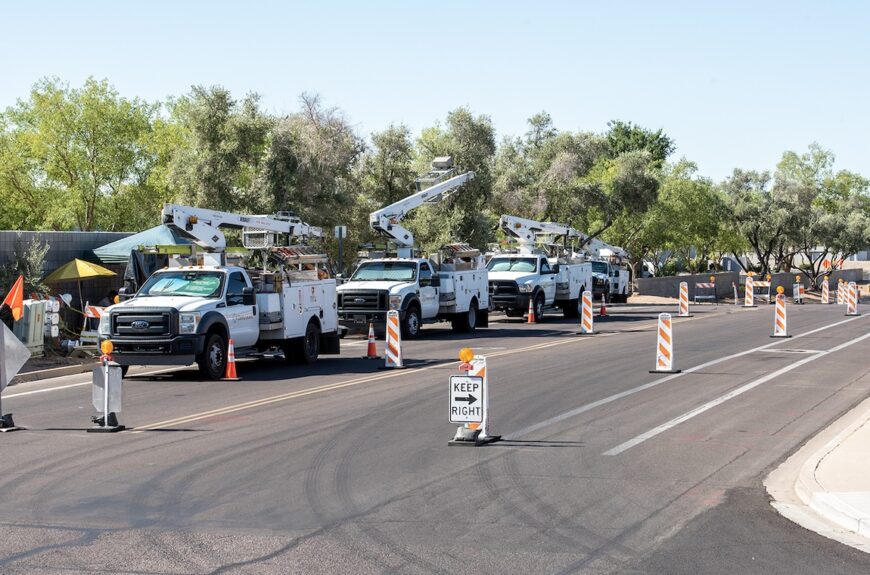
Advance warning signs, channelizing devices, arrow boards and message boards can help motorists understand what is changing ahead and give them time to react. Crews also need the right equipment in the right locations based on the approved traffic control plan and the conditions in the field.
A standard setup cannot account for every roadway. The plan has to fit the site, and the safety measures should match the risk.
2. Prepare the Crew Before Traffic Arrives
The best traffic control plan only works if the people in the field understand it.
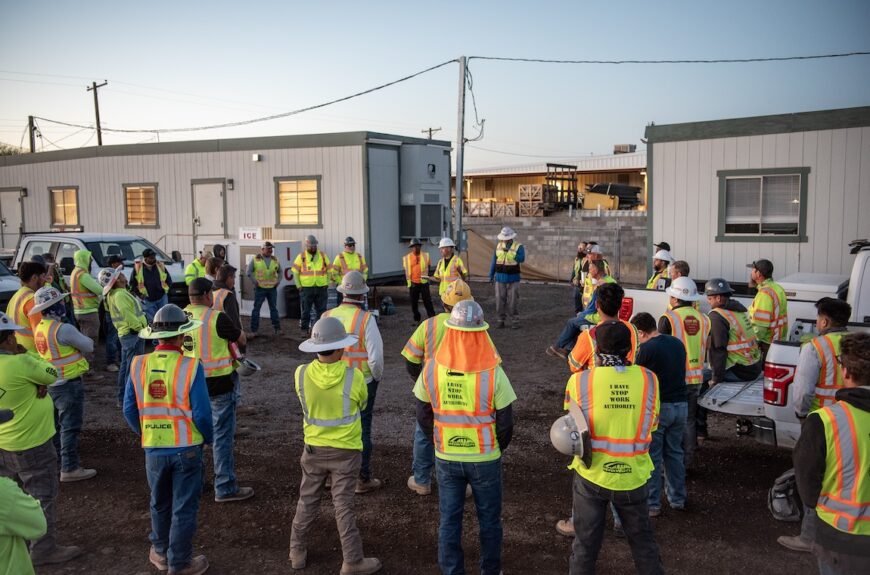
Before our crews begin a job, supervisors review the work zone layout, individual roles, communication methods, surrounding hazards and escape routes. Everyone should know where they are supposed to be, what they are watching for and what to do if conditions change.
If traffic patterns shift, weather affects visibility, work moves to another location or crew assignments change, we reassess the plan and review the new conditions with the team.
Every worker also needs the appropriate high-visibility apparel and other required protective equipment. If someone is assigned to watch approaching traffic and warn the crew, that needs to be their primary responsibility. They need an unobstructed view and a reliable way to alert others—not another task competing for their attention.
Everyone on the job should understand the plan well enough to recognize when something no longer looks right.
3. Know When the Work Needs to Stop
One of the most important decisions a crew can make is to stop.
If there are not enough trained people to carry out the traffic control plan, required devices are missing, equipment is damaged or an escape route is no longer safe, work should pause until the issue is corrected. The same applies when a vehicle enters the work area or conditions change in a way the original plan did not address.
No schedule or budget should take priority over someone’s safety. Crews need to feel empowered to stop work when conditions are unsafe, even when that decision delays the job or adds cost. I would rather have a crew stop, reassess and reset the work zone than continue because of pressure to stay on schedule.
When work stops, crews should move to a safe location, check on anyone affected, communicate with the appropriate leaders and understand what needs to change before restarting.
That willingness to stop is part of good traffic management. A plan gives us a starting point. People still have to recognize when the plan no longer fits the conditions in front of them.
Identify When Traffic Control Requires More Expertise
Highway work zones can look straightforward from a passing vehicle: cones, signs, equipment and people directing traffic. Safe execution depends on much more behind the scenes.
Companies managing traffic around their own infrastructure work need to assess the roadway, develop an appropriate plan, provide the right equipment, train and brief crews, maintain safe escape routes and respond when conditions change.
Those responsibilities can be difficult to manage alongside the infrastructure work itself, especially when projects involve higher speeds, complex traffic patterns or changing work zones. That is where an experienced traffic control provider can add value through specialized planning, equipment, technology and trained field resources.
At AWP Safety, we help customers manage traffic control from planning through field execution, bringing together trained people, equipment, technology and safety expertise so their teams can stay focused on the infrastructure work they are there to complete.
To learn more about how AWP Safety can help provide a safer work zone for your next project, request an estimate or contact your local sales representative.