How Better Traffic Management Can Improve Project Safety and Efficiency
Whether crews are building new infrastructure, expanding broadband networks, upgrading the electric grid or supporting a major data center development, many projects share the same challenge: Work must continue while traffic keeps moving.
Effective traffic management starts well before signs and cones go into place. It requires thoughtful planning, strong training, lear communication and the ability to adjust as conditions change in the field.

Key Takeaways
-
- Effective traffic management can help protect workers and motorists while reducing delays and disruptions that affect project schedules and costs.
- Traffic control plans should reflect the specific traffic patterns, site conditions and risks of each project.
- Ongoing, hands-on training helps workers and managers prepare for changing conditions in active work zones.
- Regular inspections, clear communication and proven work zone practices help teams maintain safety throughout the life of a project.
- Bringing experienced traffic management professionals into the planning process can help customers manage complex broadband, utility, transportation and data center projects more consistently and efficiently.
Minimizing Disruptions
Work zones can create disruptions for drivers, nearby businesses and communities. They can also create challenges for project teams when traffic backups or unexpected conditions interfere with work. Planning for those impacts can help reduce delays and keep projects moving.
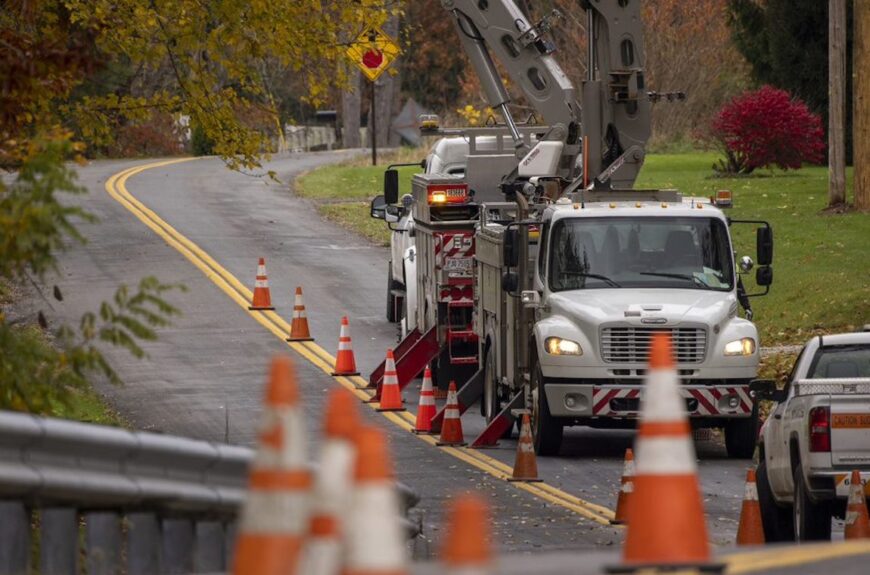
One thing I’ve seen work is planning certain activities around peak traffic periods, providing clear information to motorists and using signage, barriers and detours to help traffic move safely through or around the work zone.
These steps become especially important on large or complex projects that may involve multiple crews, phases of work or locations. A broadband deployment may move from neighborhood to neighborhood, while utility upgrades or data center construction can involve sustained activity around a site for months or even years.
In each case, reducing unnecessary disruptions can help crews stay productive while minimizing the impact on the surrounding community.
Planning For Success
The planning phase lays the foundation for safe and efficient movement between work zone activities and traffic flow. A strong traffic management plan considers project duration, anticipated traffic patterns and site-specific risks before work begins. Teams can then determine where signs, barriers, lane closures, detours and other traffic control measures will be needed.
Planning also helps teams prepare for changing conditions as work progresses. A utility project, for example, may require crews to move frequently as work progresses along a roadway.
The goal is simple: Think through as much as possible before crews enter the work zone, so they are prepared to do their jobs safely and efficiently.
Worker & Management Training
Even the best traffic management plan depends on the people carrying it out. Workers and managers need to understand safety protocols, traffic control procedures and the risks associated with each specific work zone.
I reinforce with my team the importance of ongoing, real-world training such as hands-on simulations, group discussions and other interactive methods to help teams understand how to respond when conditions change.
Leaders also play an important role. As EHS director for the Mountain Business Unit, I participate in training and reinforce safe practices, which lets my team know how important safety is to our operations.
Best Practices for Optimal Outcomes
Good traffic management requires attention throughout the life of a project. I recommend that teams regularly assess the work zone and adjust when necessary.
Several best practices can help, including:
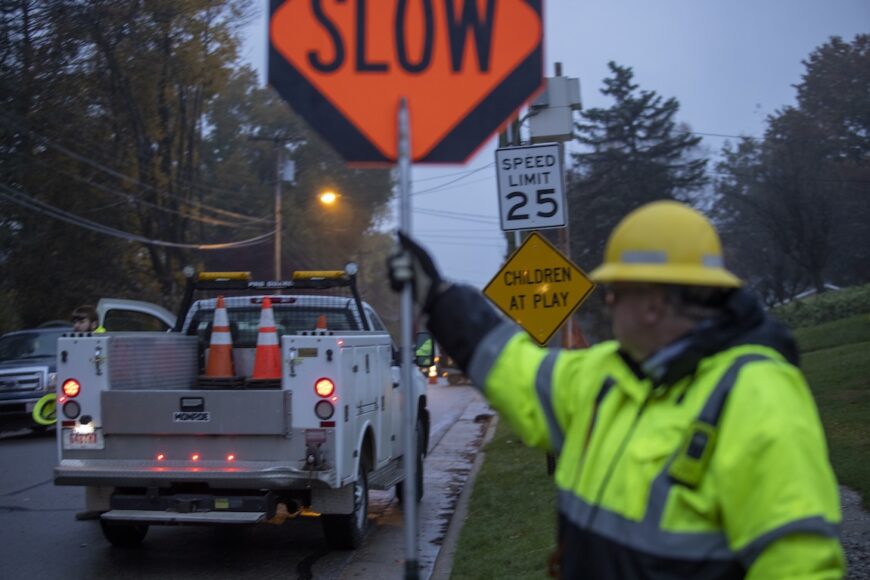
- Displaying clear signage
- Having an emergency plan
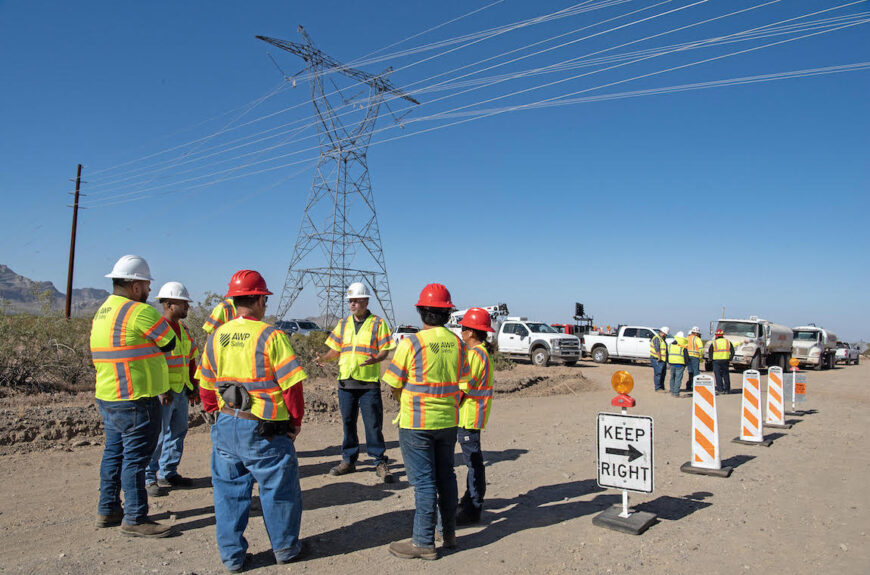
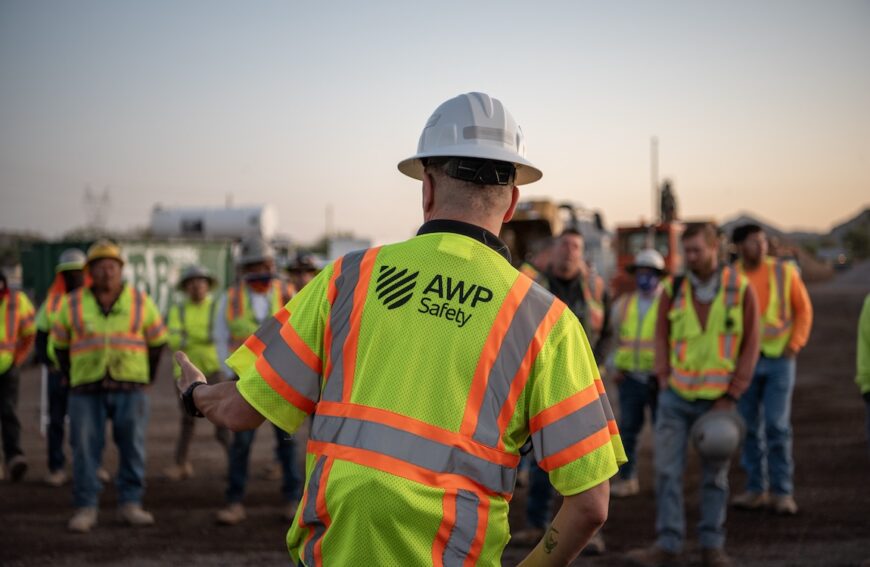
- Holding daily safety briefings
- Ensuring workers have first aid and medical access
- Evaluating performance and gathering feedback
- Providing continuous training and education
Bring in Traffic Management Experts Early
Companies planning construction and infrastructure projects should also consider when a professional traffic management partner can add value. An experienced traffic control provider understands local requirements, can anticipate traffic impacts and identify ways to help vehicles, pedestrians and workers move safely through the area.
For broadband deployments, utility upgrades, transportation infrastructure and large developments such as data center campuses, that expertise can also help create greater consistency across complex projects.
I encourage project teams to include traffic control in the broader planning process from the beginning. Doing so can help reduce disruptions, manage risk and support smoother project execution.
Safety & Efficiency go Hand-In-HAnd
Effective traffic management is ultimately about creating the conditions for people to do their jobs safely and successfully. When teams plan ahead, provide strong training, follow proven work zone practices and adjust as conditions change, they can reduce risk while also supporting productivity.
To learn more about how AWP Safety can help provide a safer work zone for your next project, request an estimate or contact your local sales representative.