Building a Culture of Safety Through Consistent EHS Standards
Protecting the worksites and crews expanding critical infrastructure is becoming more complex. Communities across North America are investing in roads, utilities, broadband networks and the infrastructure needed to support a growing data center industry. In May 2026 alone, U.S. data center construction spending reached a seasonally adjusted annual rate of $59.3 billion, up 23% from a year earlier.
As North America’s leading traffic control partner, AWP Safety supports these projects with consistent safety practices designed to protect team members, customers and the traveling public.

Key Takeaways
-
- A strong EHS management system gives infrastructure teams clear EHS standards and a structured way to manage safety risks across complex worksites.
- AWP Safety uses one EHS Management System to create a consistent approach to safety across locations, customers and project types.
- Inspections, reporting, telematics and performance data help identify trends, reinforce expectations and continuously improve safety performance.
- Clear expectations, measurement and accountability help build a culture where safety is part of how work is planned, performed and improved.
Q: Why is a strong EHS management system important for infrastructure work?
Infrastructure worksites can be complicated. You may have multiple crews, vehicles and pieces of equipment working in the same area, often near active roadways and the public. A strong EHS management system gives companies a clear, structured way to manage real safety risks.
It starts with making sure people understand the policies, procedures and expectations they need to follow. Over time, those shared expectations help shape a culture where working safely becomes part of how people approach the job every day. From there, companies need ways to track performance, report concerns and learn from what’s happening in the field. That helps them spot trends, address issues early and keep improving how work is planned and performed.
As infrastructure projects get larger, having that kind of structure helps everyone stay focused on the same goal: protecting workers, customers and the public.
Q: How does AWP Safety apply that approach consistently across its operations?
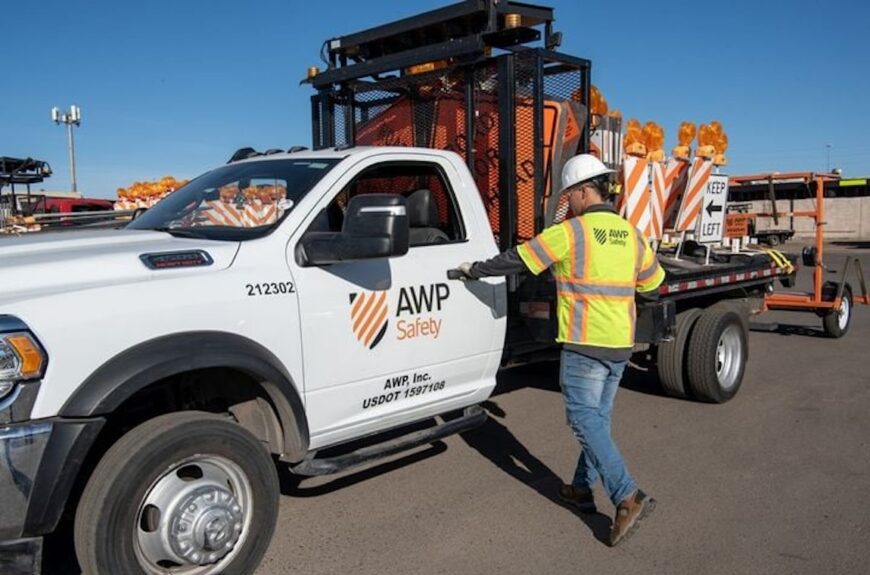
We have one EHS Management System across the company. It gives our teams a common set of programs, policies and resources whether they’re managing traffic control for a road construction project in Arizona, or engineering intricate Traffic Control Plans (TCPs) in Florida.
That’s important for a company of our size because we operate across a large geographic footprint and support many different types of customers and projects. Having one system helps us communicate expectations clearly and apply the same approach from one location to the next.
It also gives us insights into how we’re performing. We use reporting, data, vehicle telematics and key performance indicators to identify trends, see where we may need to focus more attention and use what we learn to improve.
Q: What does that kind of consistency mean for customers managing large infrastructure projects?
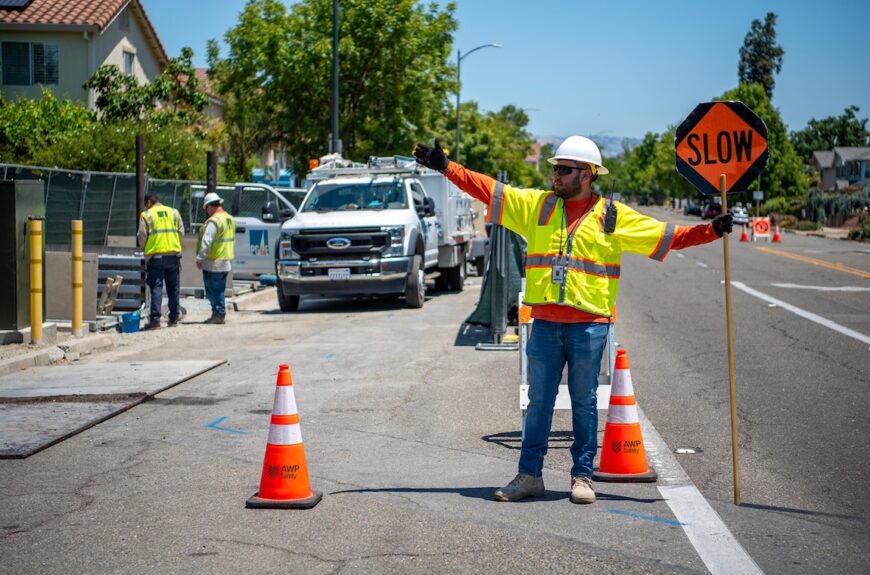
The best example of that right now is in data center development, where construction to build the facility — as well as construction to connect that facility to electrical and broadband infrastructure — is all happening at the same time, in and around active roadways.
For the contractors managing these sites, having a traffic control partner with a consistent safety approach helps reduce some of that chaos. They know what to expect from our teams across different worksites and phases of the project, and they can rely on us to manage our part of the work with the same level of discipline.
That allows customers and their crews to stay focused on the work they do best, while we focus on helping keep their worksites, workers and the traveling public safe.
Q: How do you know your safety practices are working in the field?
That’s where inspections and data are especially valuable. AWP Safety covers roughly one million work zones each year, and we inspect about 20% of them — approximately 200,000 work zones annually.
Those inspections give us a real-world view of how our safety practices are being applied. Combined with reporting and other performance data, they help us spot trends, identify where expectations may need to be reinforced and see opportunities to improve.
We can then take what we learn and apply it across the business. It’s an ongoing process of checking performance, learning from the field and using those insights to help make future worksites safer.
Q: What Should Customer Expect from a Traffic Control Partner when It Comes to Safety?
They should expect safety to be built into how the company operates every day. That means trained teams, clear procedures, pre-job safety briefings, work zone inspections and a willingness to learn and improve when the data shows an opportunity.
Those practices also help shape culture. When expectations are clear, performance is measured and people are held accountable, safety becomes part of how decisions are made and work gets done.
I also think our customers should expect accountability. When customers bring us onto a worksite, they’re trusting us to manage an important part of their operation and help protect everyone who moves through that work zone.
That’s the responsibility we take seriously at AWP Safety. Our goal is to be a partner customers can count on to do the work safely, professionally and with the discipline these complex infrastructure projects require.