Moving Safety Forward: Why Safety Culture Is an Operational Advantage
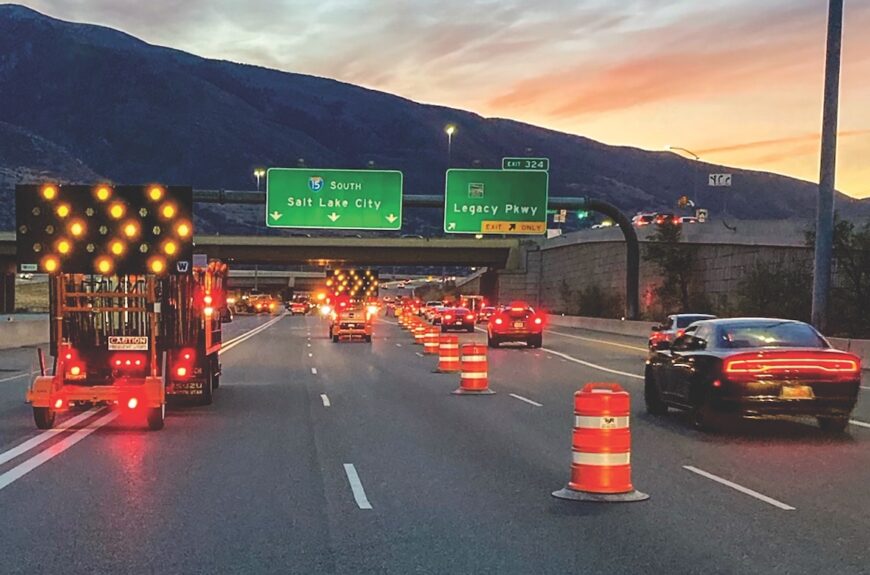
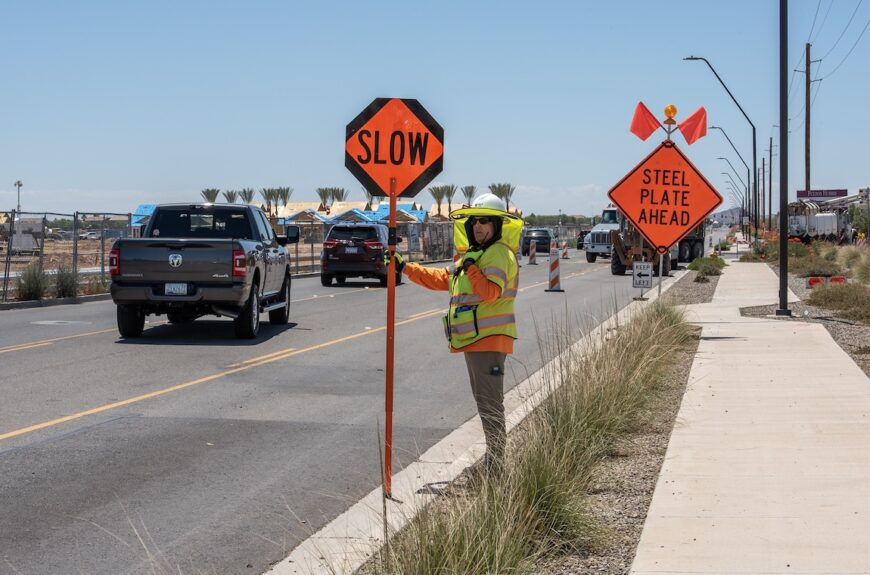
National Safety Month is a timely reminder that safety cannot stand still. In infrastructure work, conditions change quickly: traffic patterns shift, weather moves in, drivers become distracted and crews make decisions in real time, often just feet from live traffic.
That reality goes beyond compliance — requiring a safety culture built into the way teams plan, communicate, lead and perform the work every day.
For infrastructure companies, safety culture is a corporate responsibility and an operational advantage. When safety is embedded into daily decision-making, companies are better positioned to protect employee health and wellness, reduce the disruption and cost associated with incidents, support productivity and deliver the reliability customers depend on.
“Safety cannot sit apart from the business,” says Michelle Marsh, senior vice president of environmental, health and safety at AWP Safety. “It has to be integrated into how we plan work, lead teams, make decisions and measure performance. That is how safety becomes part of operational excellence.”
Key Takeaways
- A strong safety culture helps infrastructure companies protect employees, reduce incident-related disruption and support more reliable project execution.
- Pre-job safety briefings help crews identify risks, align on expectations and prepare for changing work zone conditions.
- Technology ,such as Samsara, gives leaders greater visibility into fleet safety trends and opportunities for proactive coaching.
- Moving from a compliance mindset to a safety culture mindset strengthens accountability, operational performance and customer confidence.
Safety Culture Starts Before the Work Begins
Work zones are dynamic environments. Crews may be managing shifting traffic, unpredictable driver behavior, weather changes, equipment movement and evolving site conditions at the same time. In that environment, safety depends on preparation, communication and the confidence to act when something does not look right.
“A strong safety culture is built when employees understand not only what is expected, but why it matters,” Marsh says. “When people are prepared, empowered and supported by leadership, safety becomes more than a requirement. It becomes the way work gets done.”
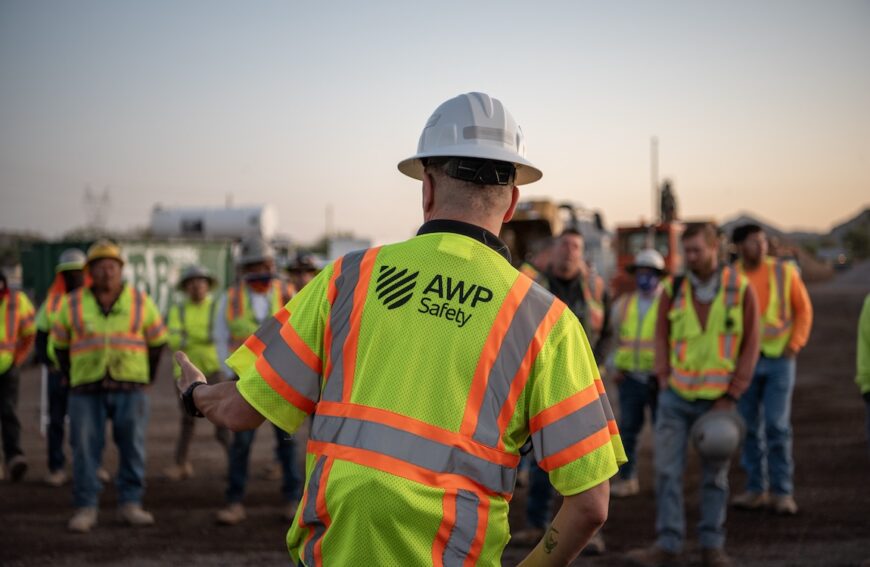
Pre-job safety briefings are an important part of AWP Safety’s approach to building a proactive safety culture. These conversations give teams time to review the job scope, site conditions, traffic patterns, equipment needs, customer requirements and potential hazards that could affect the work zone.
The value is not in checking a box, but in creating alignment before conditions begin changing in the field. More companies are shifting beyond compliance to using data, technology and collaboration to prevent incidents before they happen.
Using Technology to Seek Risk Earlier
Moving safety forward also requires better visibility into where risk exists and how teams can improve.
For AWP Safety, smart work zone tools like Samsara help provide greater insight into fleet and driving behaviors. Because traffic control is a fleet-intensive business, telematics can support safer driving habits, more proactive coaching and better decision-making across the operation.
“Technology gives us visibility, but leadership determines the impact,” Marsh says. “The value of data is in how we use it to identify trends, coach with purpose, strengthen accountability and prevent incidents before they happen.”
That distinction matters. Data alone does not create a stronger safety culture. People do.
Technology helps leaders identify patterns across vehicles, routes, jobsites and teams. From there, EHS and operations leaders can target training, address root causes, coach employees and improve consistency before small issues become larger risks.
From Compliance Mindset to Culture Mindset
Compliance is always top of mind for infrastructure companies, yet standards, procedures and training create the foundation for safe work. The strongest safety programs go further.
“A culture mindset requires leaders to look beyond whether a process was followed and ask whether it is truly working,” Marsh says. “Are teams prepared before the job starts? Are employees confident speaking up? Are we using data to see risk earlier and applying those insights consistently across the business? Those are the questions that move safety from compliance to continuous improvement.”
In addition, crews are better prepared. Risks are identified earlier. Communication improves. And customers benefit from safer, more reliable work zones that help protect workers, motorists and the public while keeping critical infrastructure projects moving.
Safety is Shared
National Safety Month is an opportunity to reinforce the systems, habits and behaviors that help teams prevent risk and do the job right.
For infrastructure companies, the future of safety will be shaped by both culture and capability: people who are prepared and empowered, leaders who use data to make better decisions, and tools that help teams see risk sooner.
“Safety is a shared responsibility, but it also requires visible leadership,” Marsh says. “When leaders set clear expectations, employees take ownership and teams use the right tools to manage risk, we create safer worksites, stronger operations and better outcomes for our customers and communities.”
Read more from Debbie Riazzi, AWP Safety’s director of compliance, labor, and employee relations on why mental health support is crucial in safety-sensitive industries.