Planning for Safety: The Value of Law Enforcement Coordination
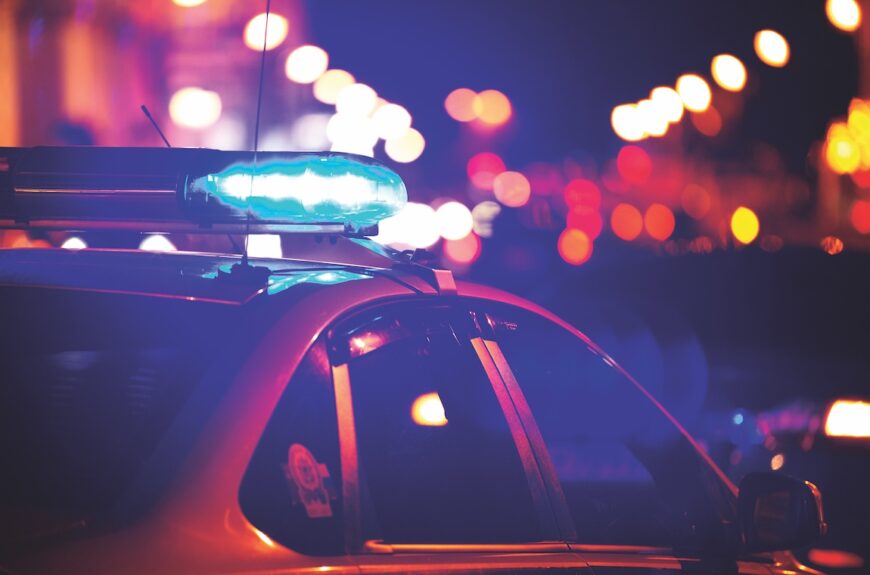
Law enforcement officers (LEOs) serve an important role in active work zones where risks are high and conditions can change quickly. During National Police Week, AWP Safety recognizes the officers whose partnership helps create safer roadway projects for workers, motorists and the public. That partnership is further strengthened by the many former LEOs now on the AWP Safety team, whose experience helps drive how the company plans and supports complex work zones.
Nichole Neira, law enforcement coordinator, explains how AWP Safety works with LEOs to strengthen work zone safety — and coordinates their involvement on behalf of customers to streamline complex project planning.
Key Takeaways
- Law enforcement coordination helps strengthen work zone safety for workers and the public.
- On some projects, officer presence is essential to meeting safety and local jurisdiction requirements.
- AWP Safety manages the complexity of coordinating law enforcement for customers to help projects run more safely and efficiently.
Determining When LEO Support Is Needed
Law enforcement presence is essential for many types of utility, broadband and road construction projects. Depending on the scope of work, roadway conditions, Manual on Uniform Traffic Control Devices (MUTCD) guidelines and local jurisdiction requirements, officers may be needed to support traffic control, improve driver compliance or provide an added security presence.
In some areas, officer support is required for any work performed within that jurisdiction. Other times, customers may request officers to provide a visible law enforcement presence in areas where there is a higher risk of unsafe or hostile conditions.
“Our job is to determine when officers are needed by evaluating job location, jurisdiction, MUTCD safety guidelines, city requirements, job complexity and client preference,” says Neira. “Over the years, we’ve built a strong network of LEO contacts willing to provide coverage during their off-duty hours to make work zones safer for everyone.”
This includes police departments nationwide. Neira’s AWP Safety counterparts in other regions build strong relationships with local LEO agencies to cover the work.
“Often, LEOs are coming off their regular shift already, or are using paid leave from their department to help us provide work zone coverage,” Neira adds. “Their willingness to do so really shows their commitment to safety, which is part of who we are as well.”
Integrating Law Enforcement Into the Traffic Control Plan
Depending on the department and the location of the work, AWP Safety manages all aspects of LEO coordination — from simple scheduling to long-term contracts, approvals and multi-agency coordination. AWP Safety helps customers avoid the burden of managing law enforcement support on their own.
Neira’s role involves overseeing those moving parts and ensuring the right support is in place at the right time. That work is informed by the many former LEOs who have transitioned into safety roles at AWP Safety, bringing firsthand experience in traffic management, public protection and risk assessment.
For customers, that coordination brings practical value. Rather than treating officer support as a separate task, it is integrated into the overall traffic control plan to help strengthen safety, reduce administrative complexity and keep projects moving.
Law enforcement coordination reflects the kind of disciplined planning that supports safer work zones and better project outcomes. It is also one more way AWP Safety brings together field experience, operational expertise and trusted partnerships to protect workers and the public.
“I’m sincerely grateful to every officer who has served — and continues to serve — in the line of duty,” Neira says. “Their strength, integrity and commitment are deeply respected, and we appreciate the role they play in helping create safer conditions in and around the work zone.”
From the Badge to the Work Zone
Former Law Enforcement Officers (LEOs) often continue their commitment to public safety by pursuing careers in environmental, health and safety. Their experience helps in managing risk, communicating under pressure, and protecting communities in work zones. Meet an LEO-turned-AWP Safety expert!
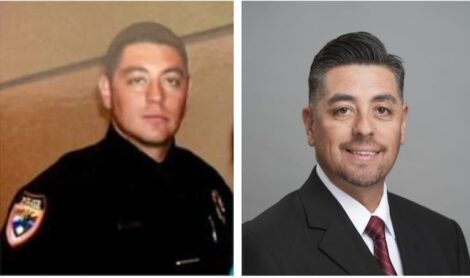
Ramon Moreno, Environmental
Health and Safety Director – Mountain
Leo Experience: Former 14-year police officer serving with departments in Sahuarita, Arizona; Aurora, Colorado; and with the University of Arizona. Served as a training instructor, motorcycle officer and public information officer
“The passion, care, and respect for safety definitely continues in this field. My background helps me in delivering training at AWP Safety, and my experience investigating motor vehicle collisions and investigations provided a great foundation for investigating our incidents and getting to root causes. The approach to safety is the same whether you are in traffic control or law enforcement: be safe around traffic and go home each day the way you arrived.
I would like to thank LEOs for the work they do each day and express my gratitude for their service. I also recommend that LEOs attend ATSSA’s Incident Traffic Control for Responders for additional tools when working within work zones.”
AWP Safety’s team of experts can help secure your work zone and ensure safety. Request an estimate today.