Qualified Observers: The Watchful Eyes Behind Safer Work Zones
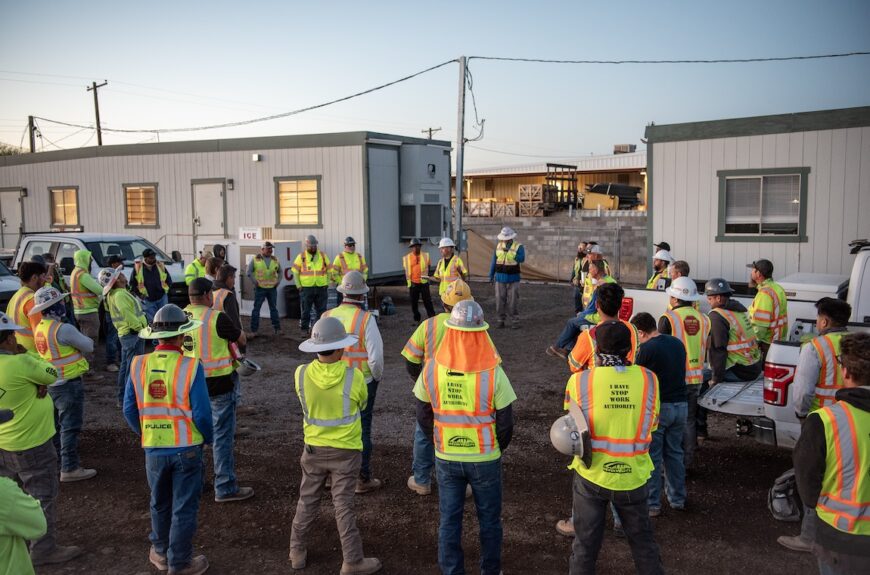
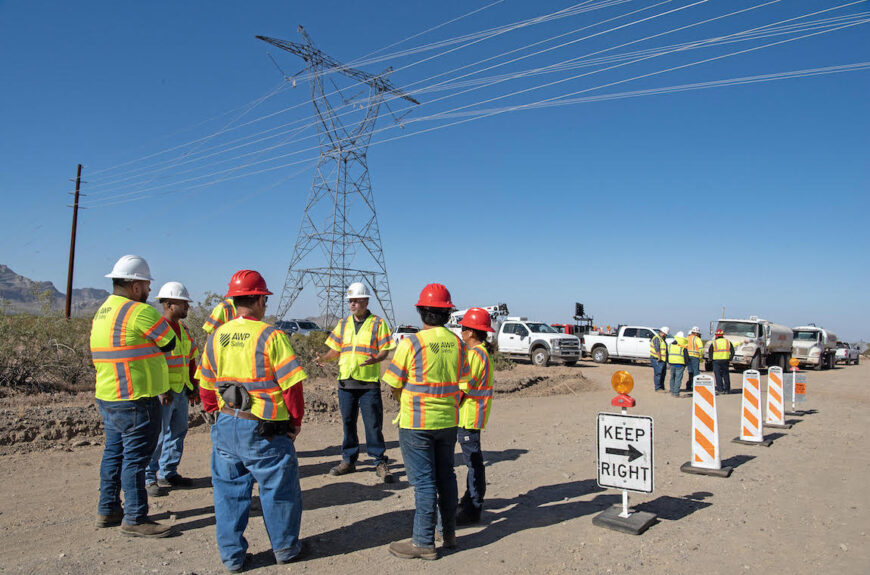
Qualified traffic observers (“qualified observers”) play a critical role in traffic control by monitoring work zone conditions, spotting hazards and alerting crews when safety may be at risk. At AWP Safety, that responsibility is so important that every employee is trained to be a qualified observer. In every work zone, one protector is designated to take the lead on this responsibility.
Along with pre-job briefings and high-visibility personal protective equipment (PPE), the use of a qualified observer is one of AWP Safety’s Cardinal Traffic Control Safety Rules. Together, these rules help guide work in the field and reinforce the company’s proactive approach to protecting workers, motorists, and the continuity of customer projects in high-risk environments.

Qualified Observer Responsibilities
A lot can change in a matter of seconds. While a crew is focused on placing signs, adjusting equipment, or consulting with a customer, their full attention is often on the task at hand. The qualified observer provides the necessary “second set of eyes.”
“We treat this not as separate from the work someone is already doing, but as an added responsibility that keeps attention on the full work zone. It helps us recognize hazards early so crews can respond quickly and keep the work zone operating safely.”
That extra focus also helps crews communicate clearly and make safer decisions before a minor issue becomes a serious incident.
Putting It Into Practice
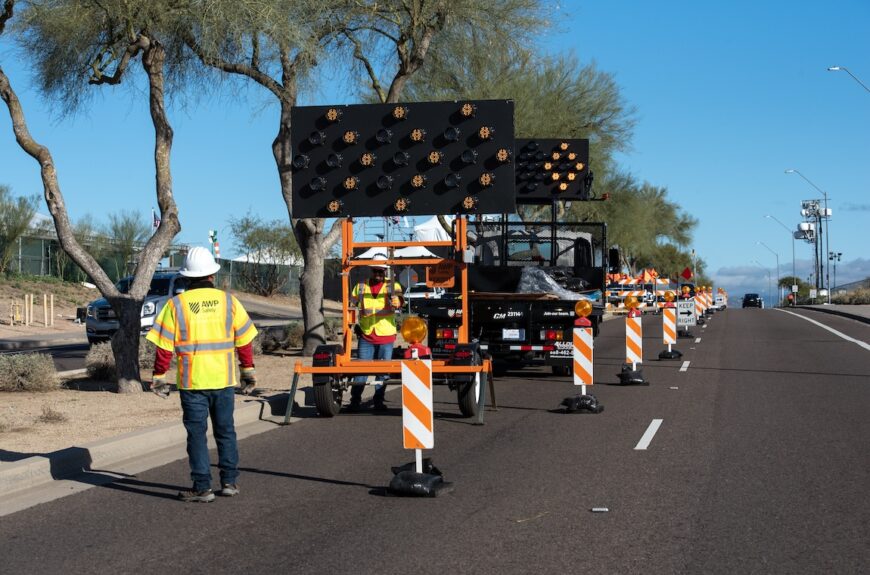
AWP Safety’s qualified observers are not on site only to observe. They are there to perform their primary responsibilities while also maintaining awareness of the traffic conditions, crew movement and changing work zone conditions.
For example, on the drive to a job site, the passenger — most often a traffic control protector — serves as a qualified observer while their partner drives. Once on site, that same mindfulness continues during setup, adjustments, and pickup of the work zone.
The impact extends beyond one person at one moment. The qualified observer principle reflects a broader safety culture in which every employee is trained and expected to recognize risk and respond — helping customers maintain safer work zones, support smoother operations, and reduce the potential for serious incidents.
“It reinforces that safety depends on people staying aware, communicating clearly, and speaking up the moment something does not look right,” Berisko adds.
EHS Reflections on the QUalified OBserver

Peter Petro
EHS Director, West Division
The role of qualified observers:
What really matters is timing. A qualified observer can spot a problem developing — a distracted driver, a vehicle drifting, speeds picking up — and give the crew a warning before it becomes dangerous. That extra awareness buys crews time and options, whether that’s stepping back, pausing work, or adjusting how the job is being done.
How it works with other AWP Safety Cardinal Traffic Control Safety Rules:
The rules set clear expectations for how we protect ourselves — how we set up, position ourselves, wear PPE, and follow plans. The qualified observer helps make sure those rules actually hold up in real-world conditions. If something no longer feels safe, the qualified observer helps call that out and creates space for the crew to slow down or reset. When you put all of that together — good planning, clear rules, and active observation — you end up with layered protection instead of relying on just one control.
AWP Safety market leadership:
We take the observer role more seriously than a lot of others do. Others might lean heavily on equipment or traffic control plans and assume that’s enough. We still value all of that, but there’s a stronger emphasis on the human element — recognizing that no plan can predict everything drivers will do.
A Safety Model Grounded in Human Judgment
As one of AWP Safety’s Cardinal Traffic Control Safety Rules, the qualified observer role helps turn safety from a concept into a daily practice in the field. It reinforces the importance of attentiveness, communication and human judgment in environments where conditions can change quickly.
“Work zone safety depends on people making good decisions in real time,” Berisko says. “When every employee understands they are a qualified observer, it strengthens accountability on the job site and adds another layer of protection for our customers.”
Learn more about AWP Safety’s commitment to safety.