
SightLines Q4 2025
An overview of the impact AI has on utility spending and planning — and potential looming shortfalls in electricity capacity despite current investment.
What’s Trending: Energy Consumption Boom
New research from Pew shows U.S. data center energy usage at 4% of total electricity and on track to more than double by 2030. This means more work, more coordination and heightened urgency for utility crews.
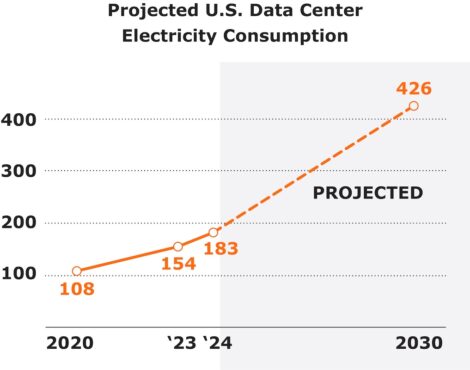
Source: International Energy Agency, Pew Research Center
INSIGHTS: Utility Investment outpaced by Demand
Utility companies will invest more in infrastructure upgrades between 2025-2030 than they did in the last 10 years combined. However, most regions will continue to be at a higher risk than usual for electricity shortfalls.
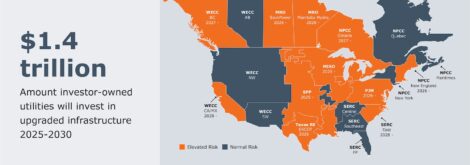
Source: Morning Star DBRS Source: North American Electric Reliability Corporation
Thought Leadership: Planning Ahead For Infrastructure Support

AI is driving massive growth in energy and broadband infrastructure — and with it, new challenges in planning, scheduling and delivery.
“Now is the time for companies to plan – not just for construction capacity, but for the entire ecosystem that supports it. From permitting and materials, to worksite safety and logistics, every link in the supply chain will need to work in sync to meet demand” – Josh Shipman, AWP Safety chief commercial officer
Partners in Your Future
AWP Safety safeguards one million worksites annually. Customers rely on us to protect their crews, communities and business interests during utility, broadband and road construction projects.
View AWP Safety’s Q4 2025 SightLines Issue as a PDF.