UV Protection on the Job: Why Sun Safety Belongs in Every Outdoor Work Plan
Outdoor crews plan for traffic, equipment, weather and changing field conditions. However, one of the most consistent jobsite exposures can also be one of the easiest to underestimate: ultraviolet radiation from the sun. Because the risk is predictable, UV protection should be planned, trained, equipped and reinforced like other jobsite hazards. For EHS teams, sun safety is a practical worker-protection issue tied to productivity and long-term health.

“Sun protection works best when it is built into the plan and not left to chance. In our region, crews may be working in desert conditions, at higher elevations or on open roadways where shade is limited. The conditions may vary by jobsite, but the expectation is the same: crews need to understand the risk and have the right controls in place before work begins.”
Ramon Moreno, Environmental, Health and Safety Director – Mountain Division AWP Safety
Key Takeaways
-
- UV exposure is a predictable jobsite hazard for outdoor crews and should be addressed during planning.
- Protective measures may include scheduling, shade, PPE, sunscreen, training and supervisor reinforcement.
- Sun safety supports both immediate comfort and long-term worker health.
- When UV protection is built into daily routines, crews are better prepared before work begins.
The Jobsite Risk That Builds Over Time
UV rays can damage skin cells and increase the risk of sunburn and skin cancer. For outdoor workers, that risk is especially important because exposure is often built into the job. According to the Skin Cancer Foundation, about 45 million U.S. workers — or roughly one-third of the workforce — are exposed to outdoor sunlight as part of their work.
The risk can accumulate over time, which can make it harder to recognize in the moment. A worker may finish a shift without feeling immediate effects, yet repeated unprotected exposure can contribute to long-term health concerns. Sunburn can create discomfort, distraction and missed work. Heat-related conditions can also affect performance and safety when crews are working in demanding outdoor environments.
Those risks apply across regions, but local conditions can shape how crews experience them. In states such as Arizona, New Mexico, Nevada, Idaho and Utah, crews may move between desert markets, mountain communities, utility corridors, parking areas and open-road jobsites. Shade, elevation, heat, wind and reflective surfaces can change from one assignment to the next, which makes job-specific planning important.
Building Sun Protection into Jobsite Planning
Effective UV protection starts before crews arrive on site. When possible, teams can consider UV exposure when scheduling high-exposure tasks, rotating assignments or planning work during lower-risk times of day.
Shade should also be part of the plan. Tents, canopies, vehicles or other shaded areas can give crews a place to recover during breaks. Hydration and rest planning may also support broader outdoor work safety, especially during hot weather.
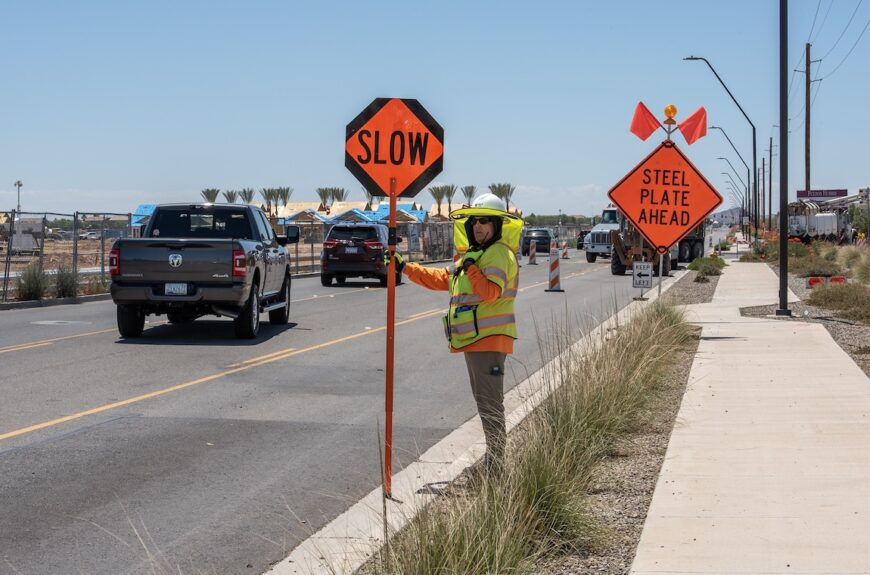
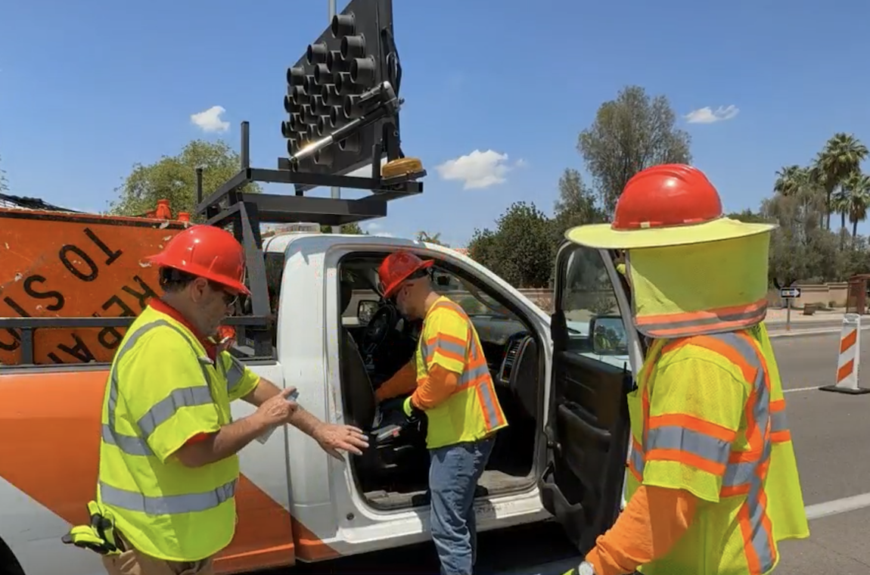
PPE is another important piece of UV protection. Depending on the task and job requirements, crews may benefit from hard-hat sunshades, brim attachments where allowed, UV-rated safety glasses, lightweight long sleeves, high-visibility apparel that meets safety standards and gloves where appropriate. Sunscreen should also be encouraged for exposed skin, with reminders to apply and reapply according to product directions.
“Planning gives supervisors a chance to make protection practical. For crews in our region, that might mean thinking about shade differently on a remote jobsite than in a city work zone, or adjusting the conversation when crews are working at elevation. The goal is to make the safe choice clear, available and consistent across the job,” says Moreno.
For employers and EHS teams, prevention also connects to long-term workforce health. Cancer broadly has become a major driver of employer health care costs, making proactive safety and wellness strategies even more important. While sun protection is only one part of that larger picture, it reflects the kind of planning that can help organizations reduce preventable exposure and support employee well-being over time.
Turning Daily Reinforcement Into Safer Habits
Training helps crews understand the risk, but daily reinforcement helps turn that knowledge into action. Supervisors can include sun exposure in pre-job briefings, remind crews about available shade and PPE, and encourage employees to speak up when conditions change.
Organizations can also normalize skin checks and early reporting by encouraging employees to pay attention to changing spots, lesions or other concerns and seek medical evaluation when appropriate.
Sun exposure comes with the territory in outdoor work, which makes it something safety teams can plan for. When crews have the right training, PPE, shade strategies and supervisor support, UV protection becomes another way to make the job safer before work begins.
“A planned job is a safer job,” Moreno says. “That includes the hazards we see immediately and the exposures that build over time. Protecting workers from UV radiation is part of helping every employee go home safe and healthy.”