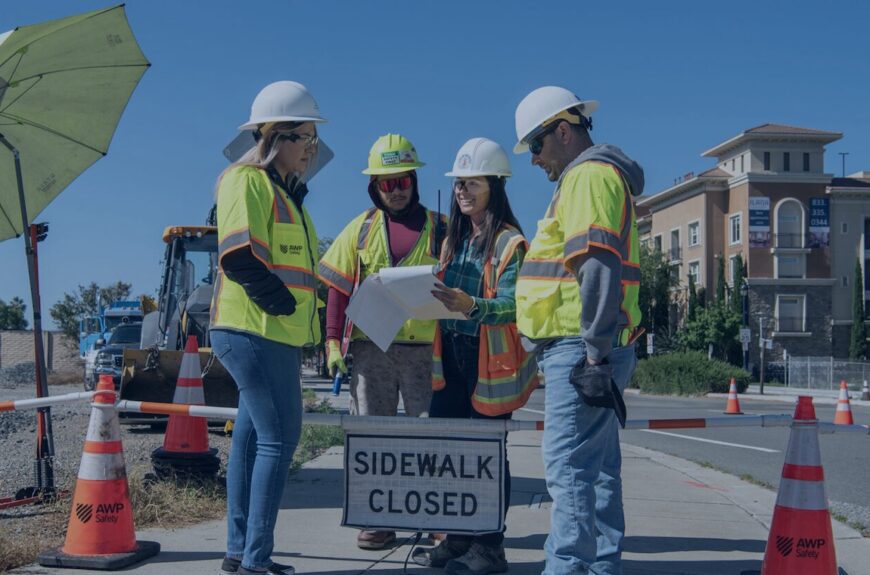
Mental Health: A Safety Imperative in Infrastructure Construction
In infrastructure construction, safety has always meant protecting people from physical hazards. But supporting employee safety also means recognizing the mental and emotional pressures that can affect focus, decision-making, and wellbeing.
The need is significant. According to the CDC, construction workers account for 7.4% of the workforce, yet represented 17.9% of suicide deaths among workers with a reported industry code. Male construction workers accounted for 97.8% of those deaths.
Key Takeaways
-
- One fifth of deaths by suicide occur in construction — despite only 7% of the U.S. employees working in the industry.
- Mental health is directly connected to safety, especially in high-risk environments where focus and communication are critical.
- Employees are more likely to seek help when leaders reduce stigma, make resources visible, and respond with support.
- Tools like EAPs, manager education, and peer support can help employees address challenges before they become crises.
Q: Why do you think construction and infrastructure workers face greater mental health pressures than those working in other industries?
Construction and infrastructure work can create a “perfect storm” of stressors: long hours, physically demanding work, high-risk environments, unpredictable schedules, and time away from family or support systems.
The industry has also historically valued toughness and self-reliance, which can make it harder for employees to speak up when they are struggling. But what happens outside of work can still affect how someone shows up on the job. If an employee is carrying stress from family issues, financial concerns, exhaustion, or mental health challenges, it can affect focus, communication, and decision-making.
Supporting the whole employee means recognizing that connection — and making sure people know they have somewhere to turn.
Q: What’s the connection between good mental health and safety on the job?
In safety-sensitive environments, distraction or fatigue can lead to serious consequences. In our case, AWP Safety teams work around active traffic, changing job site conditions, long shifts, and sometimes difficult interactions with the public. When someone is mentally overwhelmed, it can increase the risk of mistakes, miscommunication, or injury.
That is why mental health should be treated as part of a broader safety strategy. Just as companies plan for physical hazards, they also need to help employees manage the pressures that can affect their ability to work safely.
Q: Asking for help can be tough. What kind of workplace environment helps make it easier for employees?
People need to know that asking for help in their workplace will be met with support, not judgment. That starts with leaders who are approachable, resources that are easy to find, and regular conversations that normalize mental health as part of overall wellbeing.
At AWP Safety, we continue to focus on creating an environment where employees feel safe speaking up when they need help. That means listening, connecting people with resources, and reinforcing that support is available — whether the challenge is work-related or personal. It also means equipping managers to recognize signs of stress, such as changes in behavior, attendance, or performance, and respond in a supportive way.
Q: Employee Assistance Programs are becoming more standard as a workplace benefit. What role do they play in mental health?
An Employee Assistance Program, or EAP, can be a valuable resource because it offers confidential support for employees and their families. That support may include mental health counseling, financial guidance, family counseling, and other services that help employees manage stress before it escalates.
The important thing is making sure employees know the EAP exists, understand that it is confidential, and feel comfortable using it.
I once worked with a manager who was struggling because of challenges his daughter was facing at school. It was affecting his focus and performance at work. We encouraged him and his daughter to contact the EAP, and they were connected with a family counselor who helped them find a better path forward. It made a meaningful difference for their family — and helped him regain focus at work. That is a powerful reminder that personal challenges do not stay neatly outside the workplace.
Q: How can human resources and safety leaders strengthen company culture around mental health?
Start by making mental health more visible. Employees should hear consistently that you care about their holistic wellness, that support is available, and that asking for help is encouraged.
From there, focus on three areas: educate leaders, promote available resources, and build peer support. Coworkers often notice when someone is struggling before a manager does, so helping employees understand how to support one another — and when to escalate concerns — can make a real difference.
Mental health support is not just about helping someone through a difficult moment. It is about creating a stronger foundation for safety, performance, and wellbeing. In infrastructure construction, that can help people live more fully and work more productively — and it can also save a life.
If you or someone you know is struggling with mental health challenges, emotional distress, or thoughts of suicide, help is available. Contact the 988 Suicide & Crisis Lifeline by calling or texting 988 anytime, 24 hours a day, 7 days a week. Support is free, confidential, and available to anyone in the United States. You can also chat online at 988lifeline.org. If you believe someone is in immediate danger, call 911 or seek emergency medical assistance right away.